

Suri Tribe
West bank of the Omo River, near Kibish
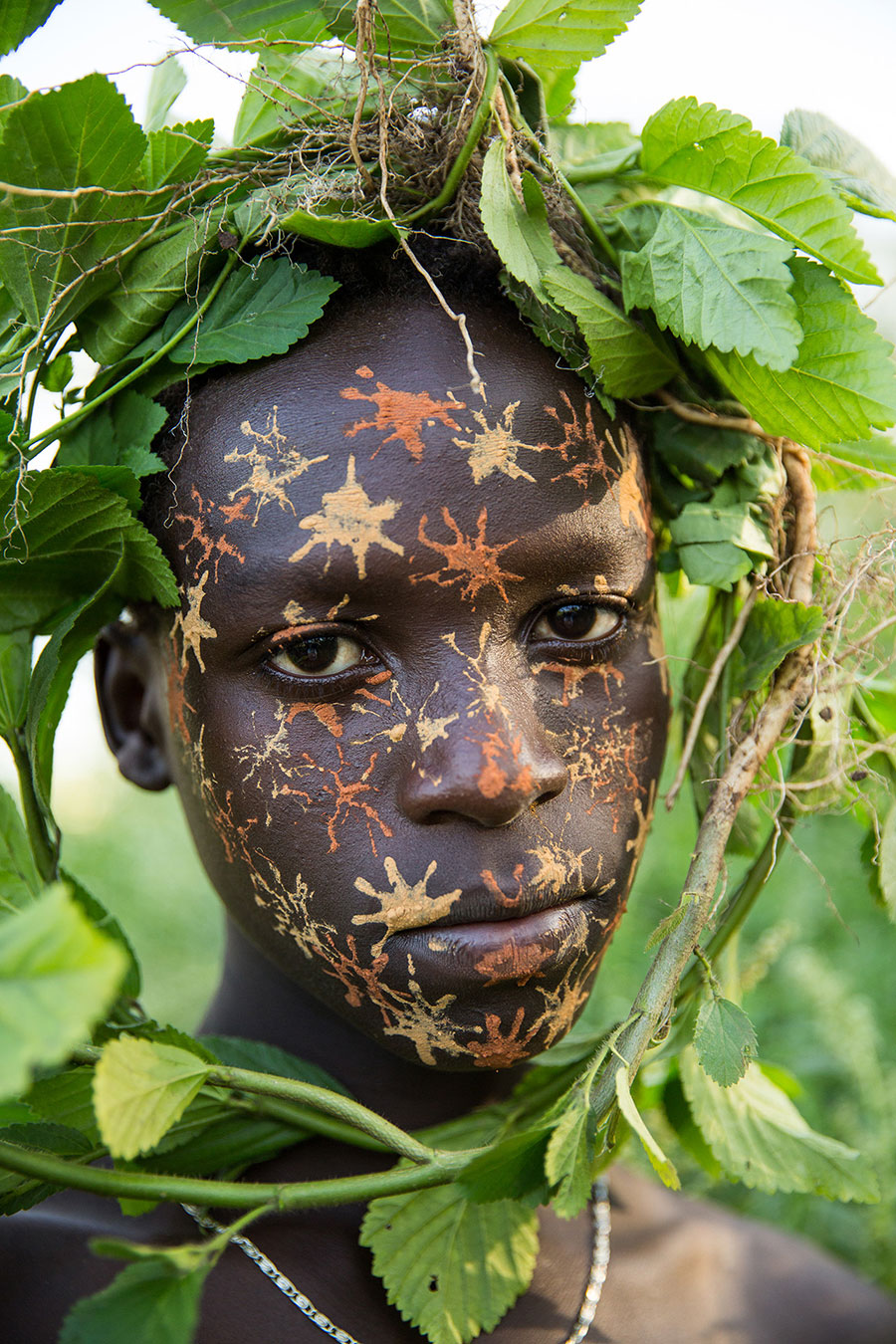
About Suri Tribe
The Suri are a traditionally pastoral tribe living on the west bank of the Omo River, with a culture deeply centred around cattle. In recent times they have become relatively settled, practising agriculture and grain cultivation alongside herding. Cattle remain the primary measure of wealth and status, and the Suri population numbers roughly 7,500 across villages ranging from 40 to 2,500 people.
Each Suri household is run by a woman, who owns her own field and earns income from selling grains and beer. Men are divided into age-sets — children, young men, junior elders, and senior elders — each with specific roles within the community.
Like the Mursi, Suri women stretch their lips and wear large clay disks. Both men and women practise scarification. The Suri are also known for ceremonial stick fighting (donga), where unmarried men paint their bodies with chalk and fight with long, heavy poles, each trying to knock the other down.
Proximity to the Sudanese border has made AK-47s accessible to the Suri. It is now considered the norm that all men carry a gun to protect their families from cattle raiders and dangerous animals.
Key Experiences
- Witness Suri stick fighting ceremonies
- See lip plate and body painting traditions
- Visit remote Suri villages near Kibish
- Learn about the age-set social system
- Photograph elaborate body scarification
Cultural Note
The Suri are among the most remote tribes in the Omo Valley. Reaching them requires extra travel days and a reliable guide with established community relationships. Always follow your guide's advice regarding firearms etiquette.