For travellers who prefer to venture beyond the standard tour-group experience, Against the Compass provides one of the most detailed and honest guides to independently exploring the Omo Valley. Written from firsthand experience, the article breaks down the logistics, costs, and cultural nuances of visiting this remote region — while making a compelling case for why independent-minded travellers should still prioritise genuine engagement over “off-the-grid” bragging rights.
Getting There: Transportation Options
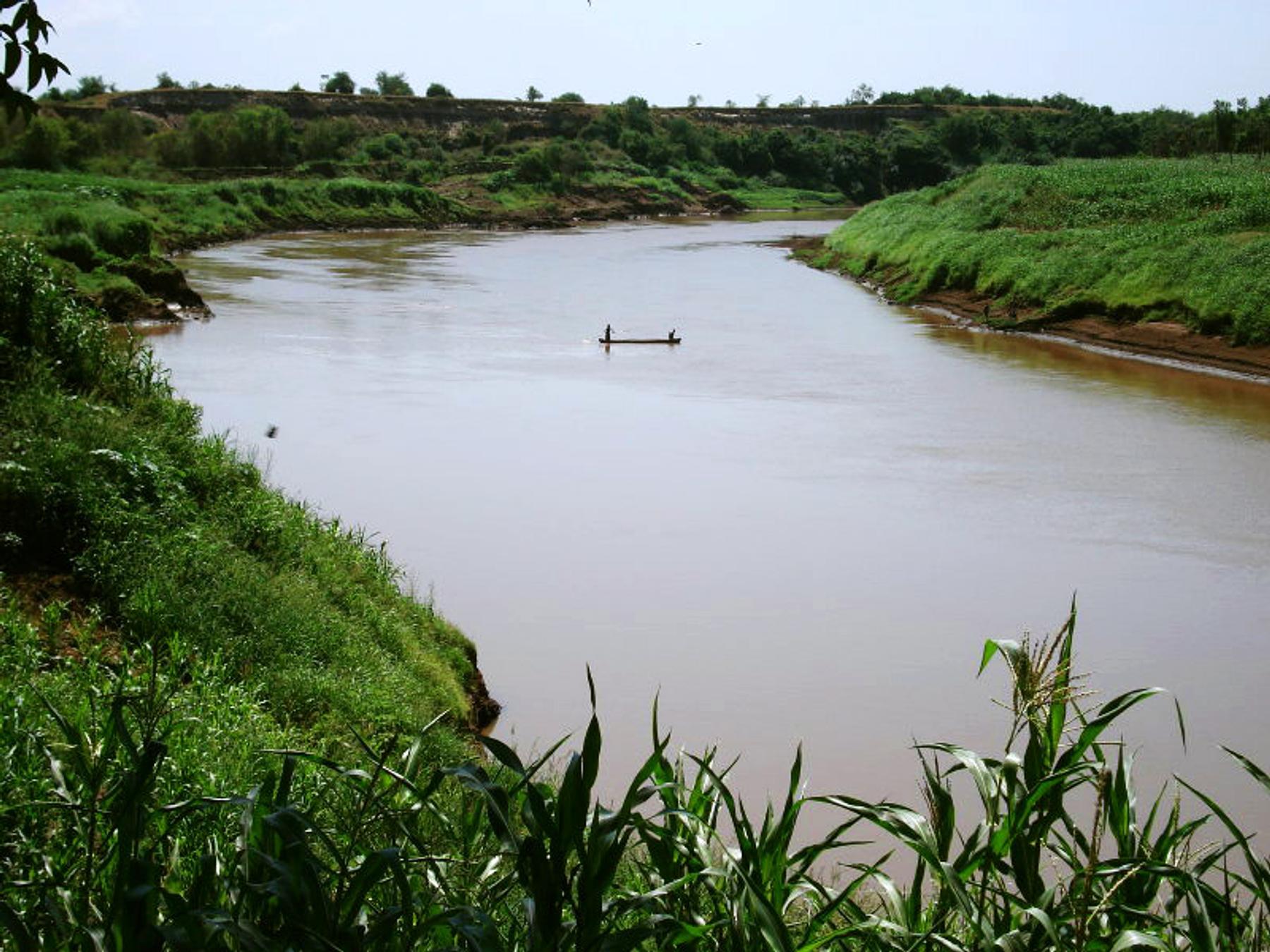
The Omo Valley is not easy to reach, and that’s part of its appeal. The most common approach is to fly from Addis Ababa to Jinka (approximately 1 hour 40 minutes), which serves as the northern gateway to the valley. From Jinka, all travel is overland in 4×4 vehicles. Alternatively, you can fly to Arba Minch (closer to Konso and the Dorze people) and drive south into the valley. The budget option — public minibuses — connects Addis to Arba Minch, Jinka, and Turmi, but the journeys are long (12–16 hours), crowded, and unreliable. Against the Compass honestly assesses the trade-offs: minibuses are cheap but gruelling, private 4×4 hire is expensive but transformative, and domestic flights are the best compromise of time and cost.
Finding a Reputable Local Guide
The article is emphatic that a guide is not optional — it is essential. Beyond the practical necessities (navigating unmarked roads, communicating in local languages, handling permits), a good guide provides cultural context that transforms a visual experience into an intellectual and emotional one. Against the Compass recommends finding guides in Jinka or Turmi who are recommended by multiple travellers on forums and review sites. The best guides are those who come from the communities themselves or who have spent years building personal relationships with tribal leaders. They don’t just take you to a village — they introduce you to individuals, explain the significance of what you’re witnessing, and ensure your presence is welcome.
Avoiding “Human Zoo” Tourism
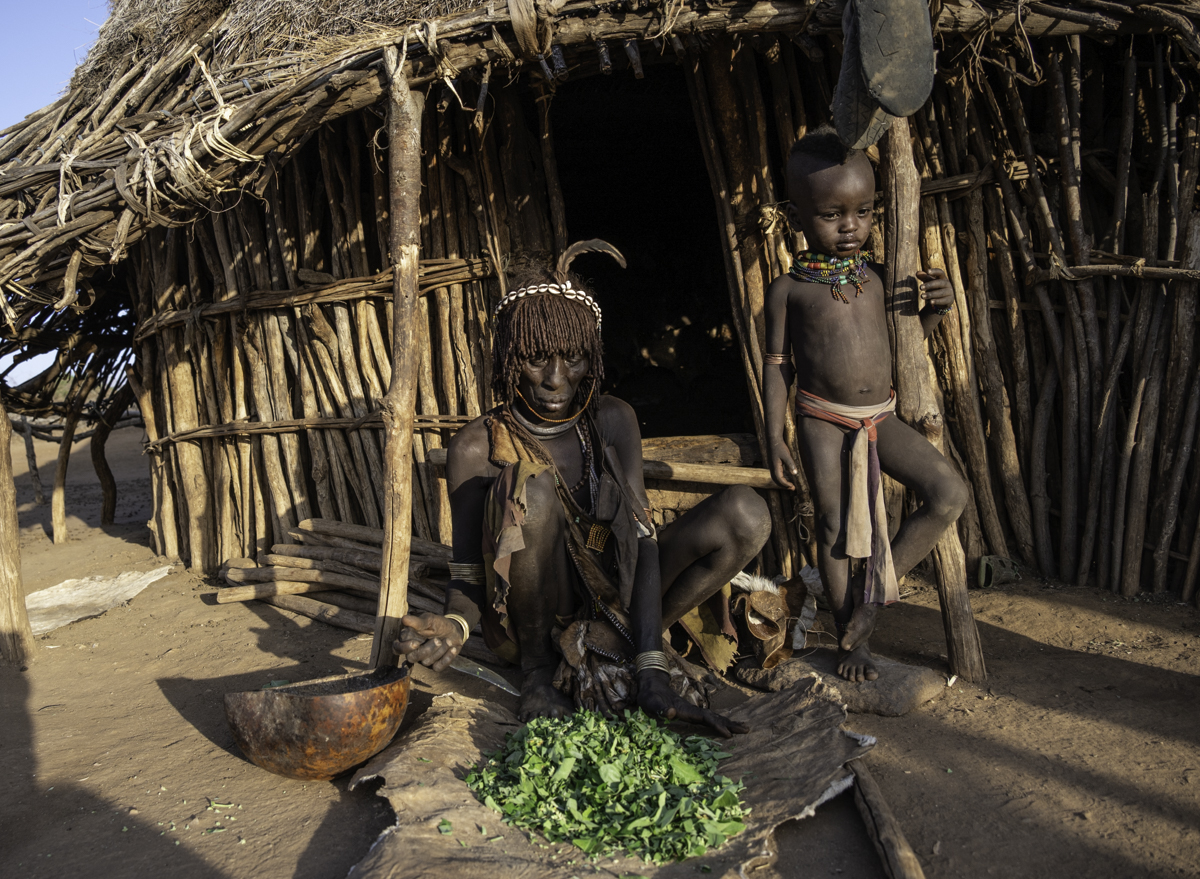
The article tackles head-on the ethical dilemma that haunts Omo Valley tourism: the risk of reducing living communities to exotic spectacles. Against the Compass argues that the key difference between ethical and exploitative tourism lies not in whether you visit, but in how you visit. Rushing through a village in 20 minutes, snapping photos, and moving on treats people as exhibits. Spending hours in a community, sitting with families, sharing food, and engaging in conversation through your guide treats them as what they are — people with stories, humour, worries, and wisdom. The article urges readers to choose fewer villages visited in more depth over a check-the-box approach that prioritises quantity.
Practical Logistics and Costs
Against the Compass provides a refreshingly transparent breakdown of costs. Private 4×4 hire with driver runs $80–$150 per day depending on the vehicle and negotiation. Guide fees are typically $30–$50 per day. Village entrance fees and photography fees add up — budget at least $20–$30 per day for these. Accommodation ranges from $10 per night for basic guesthouses to $80+ for the more comfortable eco-lodges in Turmi. Food at local restaurants is very affordable ($3–$5 per meal). All told, a typical week in the Omo Valley costs $150–$250 per person per day for a comfortable independent trip, significantly less for budget travellers willing to sacrifice comfort.
The Reward: Genuine Human Connection
Against the Compass concludes with a sentiment shared by virtually every thoughtful Omo Valley traveller: the most powerful memories are not of lip plates or body paint, but of the human moments in between. An elder’s handshake that lingered a moment longer than expected. A child’s delighted laughter when she saw herself on a camera screen for the first time. A group of Hamer women who invited the author to sit and share butter tea. These moments cannot be scheduled, purchased, or photographed — they happen when you slow down, show up with genuine curiosity, and let the Omo Valley unfold on its own terms.
Source: Against the Compass