
While most Omo Valley travel resources are written by outside visitors, Explore Omo offers something rarer and more valuable: perspectives rooted in local expertise. The guide provides historical context, social analysis, and cultural insight that is often missing from general travel blogs — the kind of deep knowledge that comes from years of living and working within the communities of the Omo Valley rather than passing through them.
Origin Stories: How the Tribes Came to Be
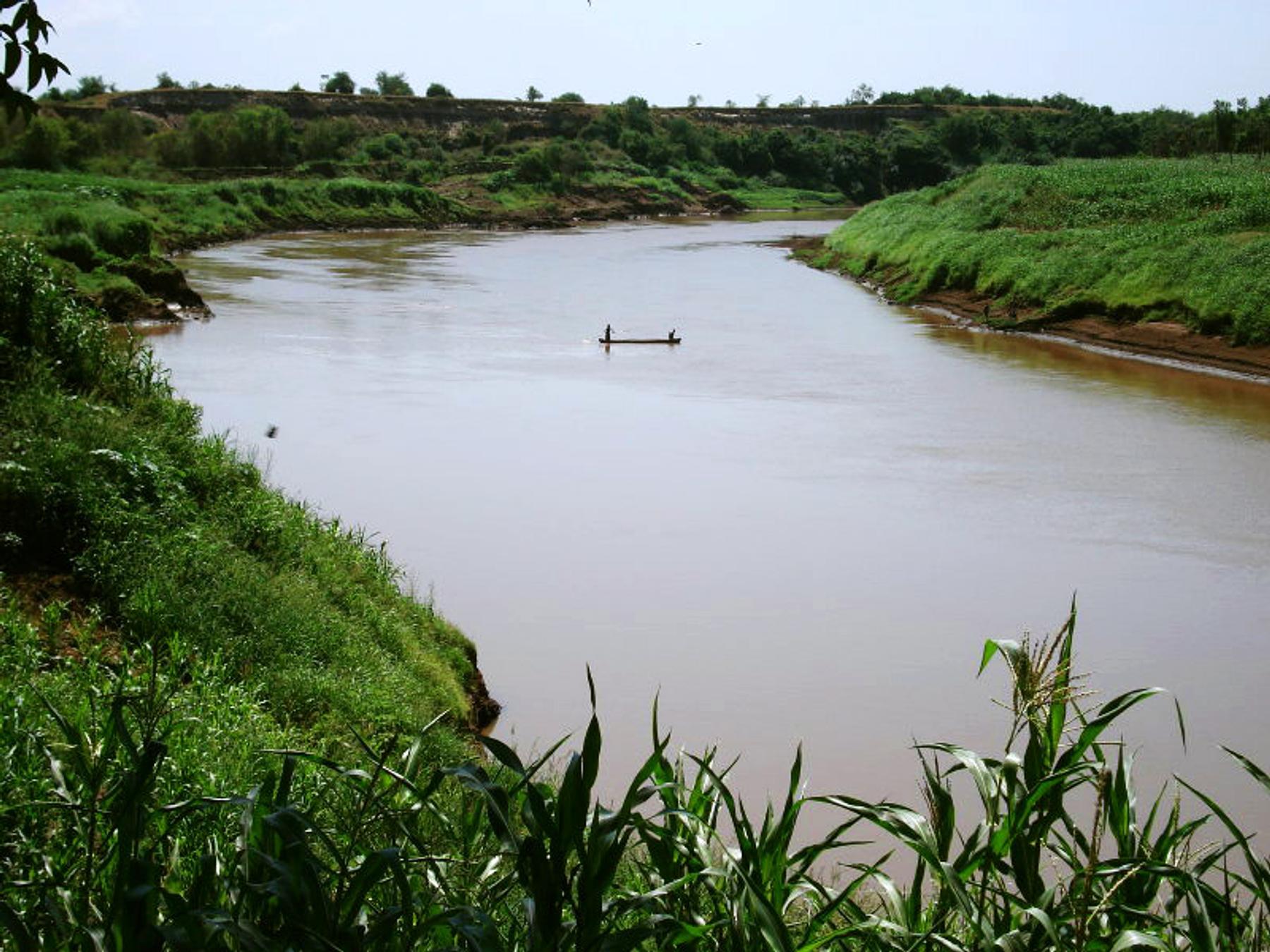
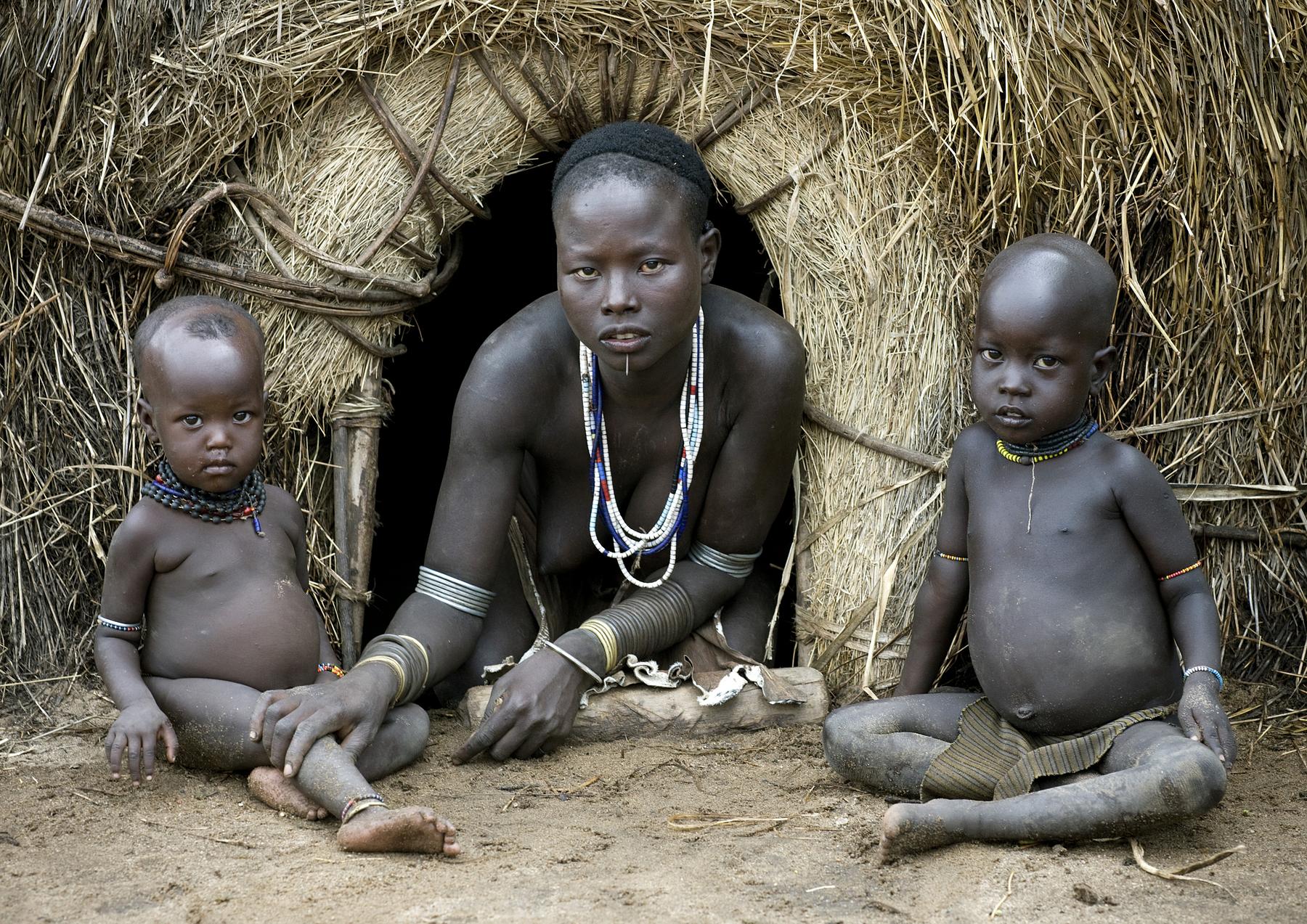
One of the guide’s most fascinating contributions is its exploration of tribal origin stories — the oral histories that each community passes down through generations to explain their place in the Omo Valley. The Hamer, for example, trace their origins to a common ancestor who crossed the Omo River from the east, settling in the area around Turmi and establishing the clan system that governs their society to this day. The Mursi believe they migrated from the east (modern-day Sudan) and were guided to the Omo River by a spiritual leader who foresaw that the land would sustain their cattle for generations. The Karo oral history recounts a devastating cattle disease that forced them to separate from the Hamer — with whom they share linguistic roots — and adopt a new way of life based on fishing and flood-retreat agriculture along the Omo River.
These origin stories are not just interesting mythology — they explain current social structures, inter-tribal relationships, and territorial boundaries. Understanding that the Karo and Hamer share a common ancestor, for instance, illuminates the cultural similarities (language, body painting, scarification) and differences (economic systems, settlement patterns) between them.
Social Structures: How Power Works
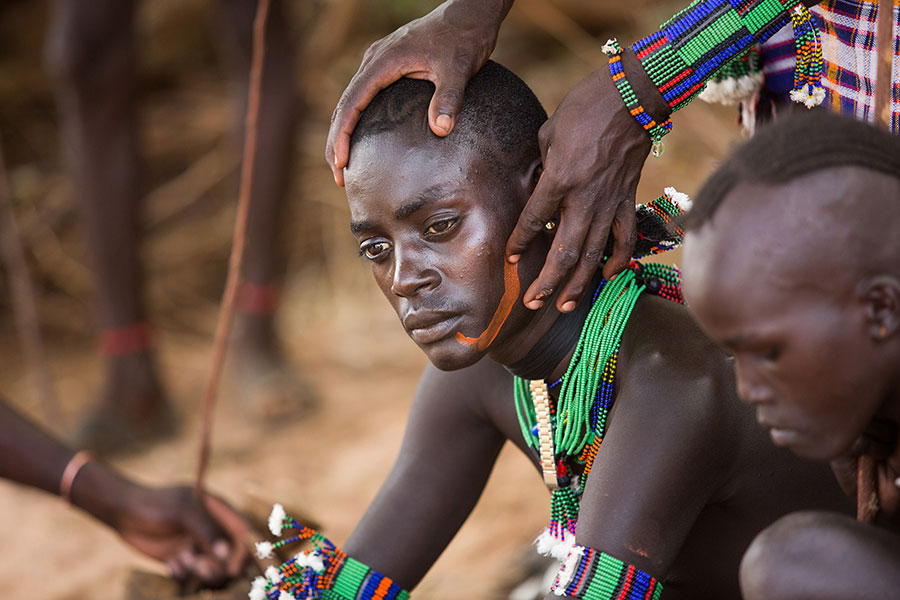
Explore Omo provides detailed analysis of how power and decision-making function within each tribal community. The Hamer operate through a system of age-grades — cohorts of men who pass through life stages together and collectively share responsibilities. The bull-jumping ceremony is the gateway from one age-grade to the next. Elders hold ultimate authority, but their power is consultative rather than absolute; major decisions are discussed in community assemblies under designated meeting trees.
The Mursi have a more decentralised system. There is no single chief; instead, a “komoru” — a ritual expert who mediates between the community and the spiritual world — holds moral authority. Disputes are settled through a combination of elder mediation and, in some cases, the Donga stick-fighting ceremony. The Konso, by contrast, have one of the most structured governance systems in the Omo Valley — a chief (Kalla) rules each hilltop town, supported by a council of elders and a system of generation grades that determine social roles and responsibilities.
The Deep Meaning of Ceremonies
Where most travel guides describe what ceremonies look like, Explore Omo explains what they mean. The Hamer bull-jumping, for instance, is not just a physical test — it is a negotiation between a young man’s immediate family, his extended clan, and the broader community about his readiness to assume adult responsibilities. The weeks of preparation before the ceremony involve complex gift exchanges, feasting obligations, and social negotiations that are invisible to visiting tourists but are the real substance of the event. The actual cattle-running is the dramatic climax of a process that has been unfolding for months.
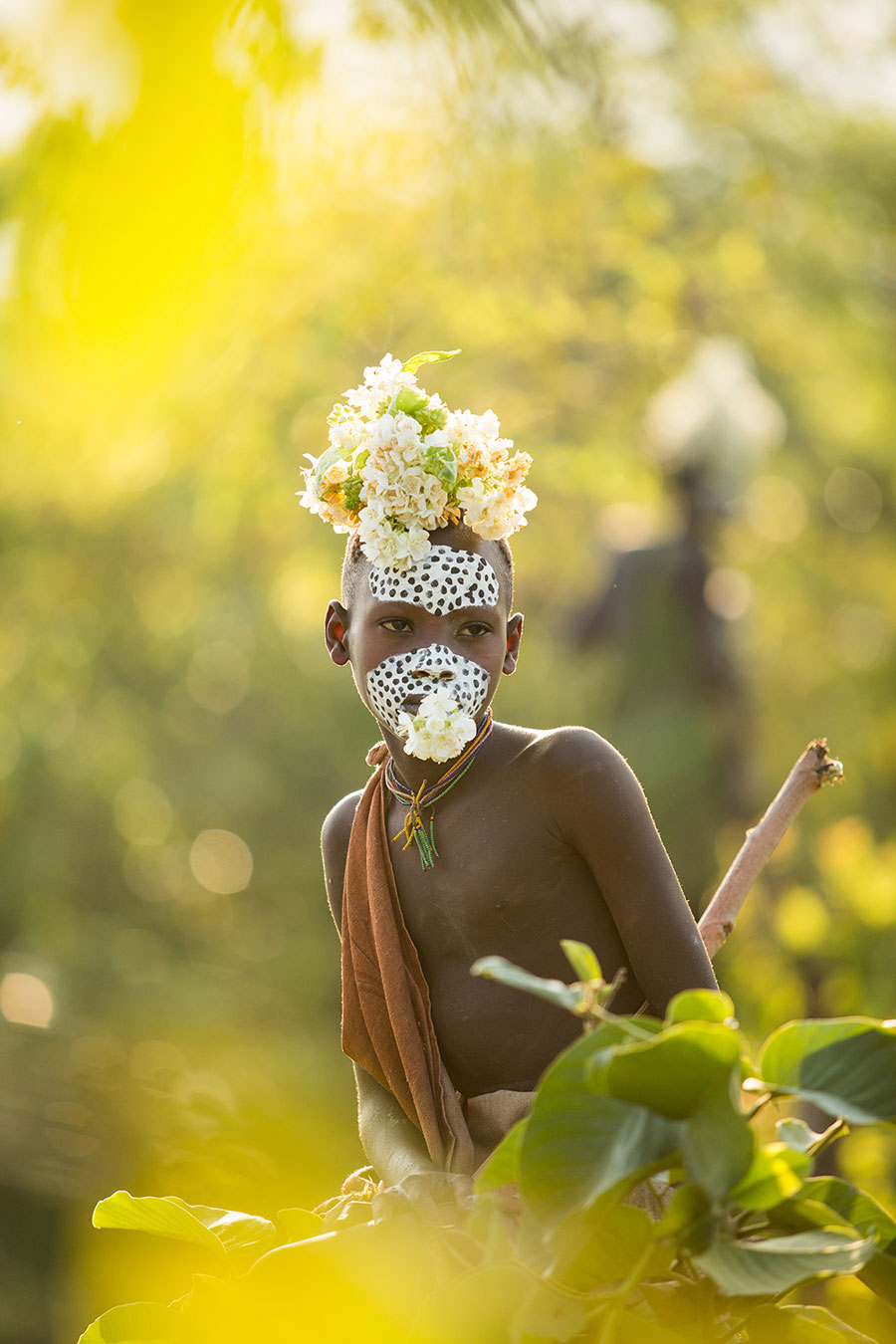
Similarly, the Mursi lip plate tradition is contextualised as part of a broader aesthetic system that includes scarification, body paint, ear ornaments, and headpiece decoration. Reducing the Mursi to “the lip plate tribe” misses the point — it is one element of a comprehensive body art culture that serves as a primary form of identity expression in a society without written language.
Challenges Facing Omo Valley Communities
Explore Omo does not shy away from the challenges facing these communities. The Gibe III dam on the upper Omo River, completed in 2015, has disrupted the natural flood cycle that sustained flood-retreat agriculture for generations — threatening the food security of the Mursi, Karo, and Dassanech in particular. Commercial sugar plantations in the region are encroaching on traditional grazing lands. Climate change is making rainfall increasingly unpredictable. And the slow but steady arrival of roads, mobile phones, and cash economies is creating generational tensions between elders who wish to preserve traditions and young people who see opportunities in the modern world.
The guide argues that tourism, when conducted responsibly, is one of the most effective counterweights to these pressures — providing economic incentives to maintain cultural practices while bringing international attention to the threats facing the region.
Source: Explore Omo