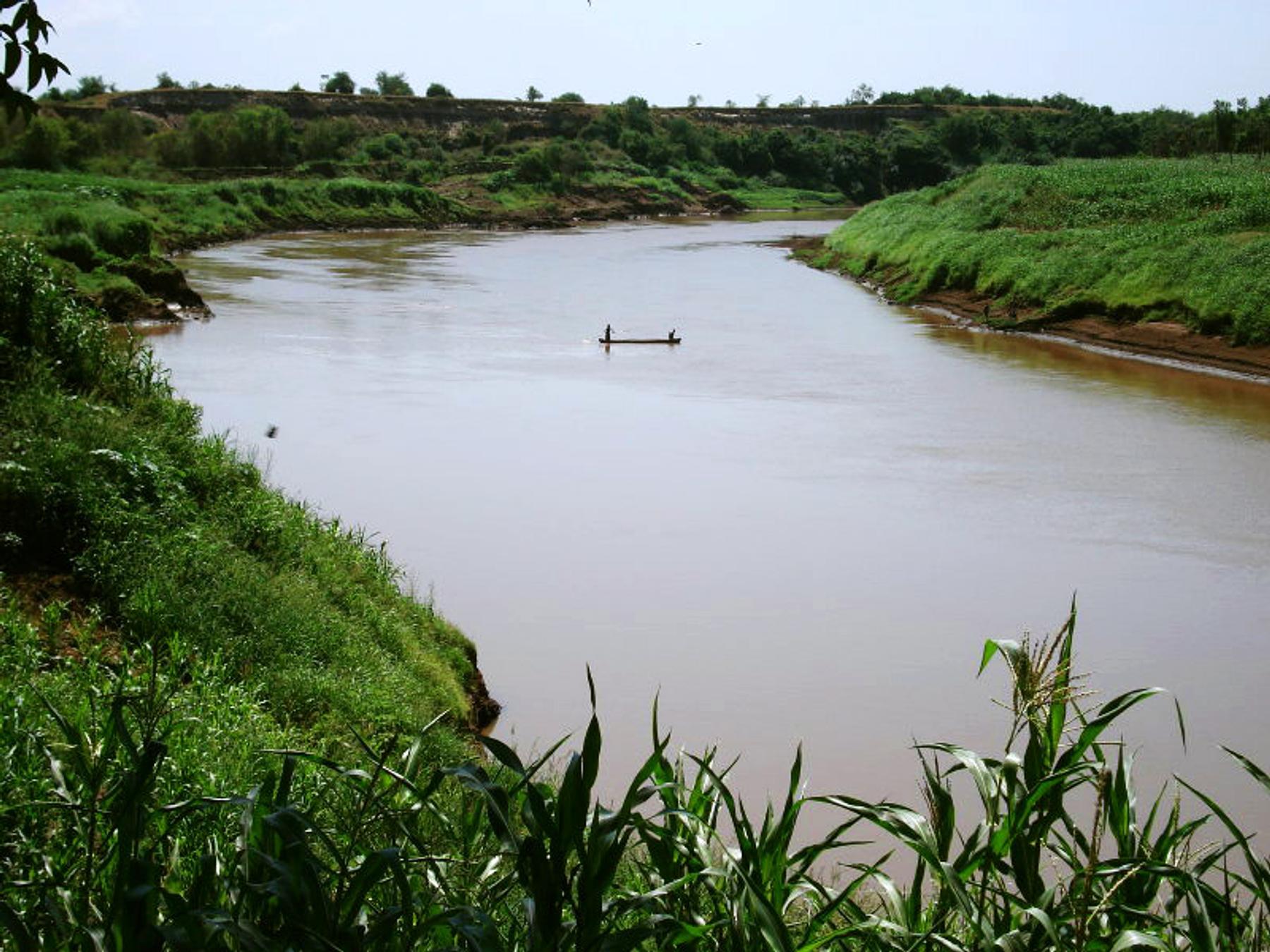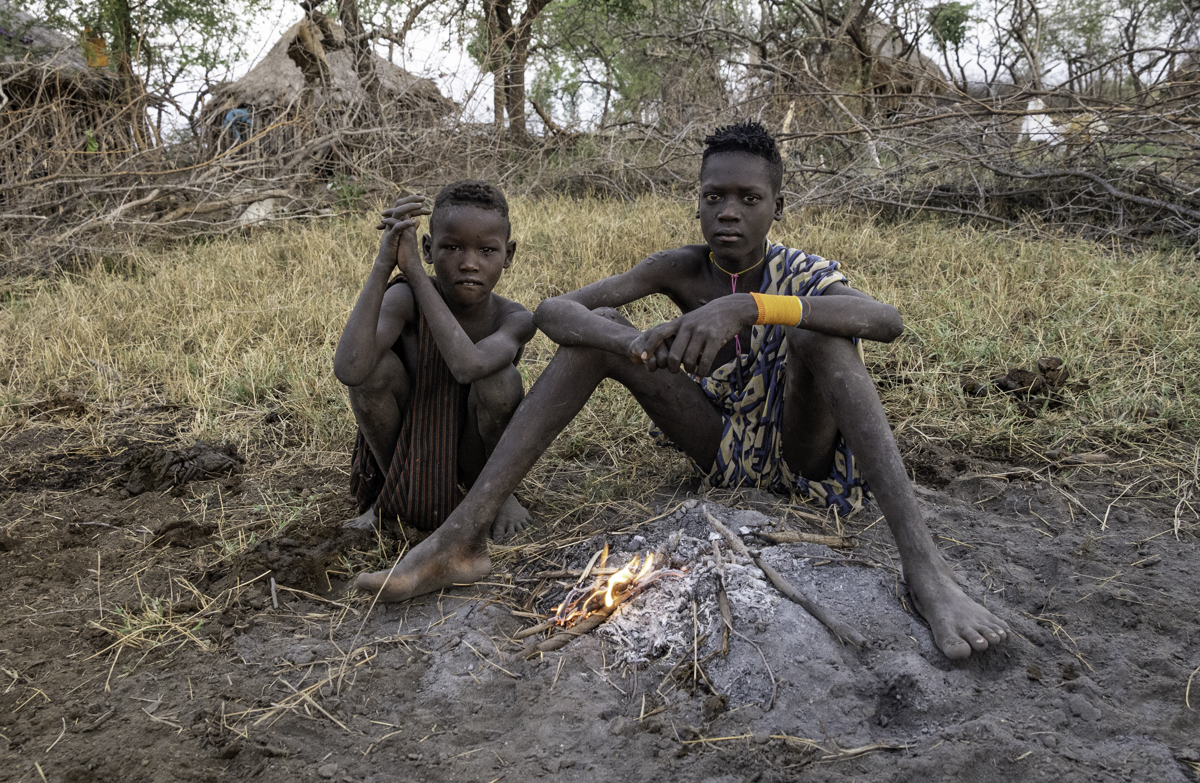

The Omo River, cutting through the rugged terrain of southern Ethiopia before emptying into Kenya’s Lake Turkana, is far more than a geographical feature — it is the lifeblood of one of the last great concentrations of indigenous cultural diversity on the African continent. National Geographic’s exploration of this extraordinary region reveals a world where ancient traditions persist in vivid, living colour, largely untouched by the forces of globalisation that have transformed so many other communities across the continent.
The River That Sustains Everything
The Omo River’s annual flood cycle shapes every aspect of tribal life in the lower valley. For the Mursi, Karo, Nyangatom, and Dassanech peoples, the river’s seasonal rise deposits nutrient-rich silt along its banks, enabling flood-retreat agriculture — a farming method where crops are planted as the waters recede. This ancient technique has sustained communities for generations without irrigation, fertilisers, or modern technology. The river also provides water for cattle — the foundation of wealth and social status for virtually every Omo Valley tribe — and supports the fishing communities of the lower delta near Lake Turkana.
Living Heritage in a Changing World
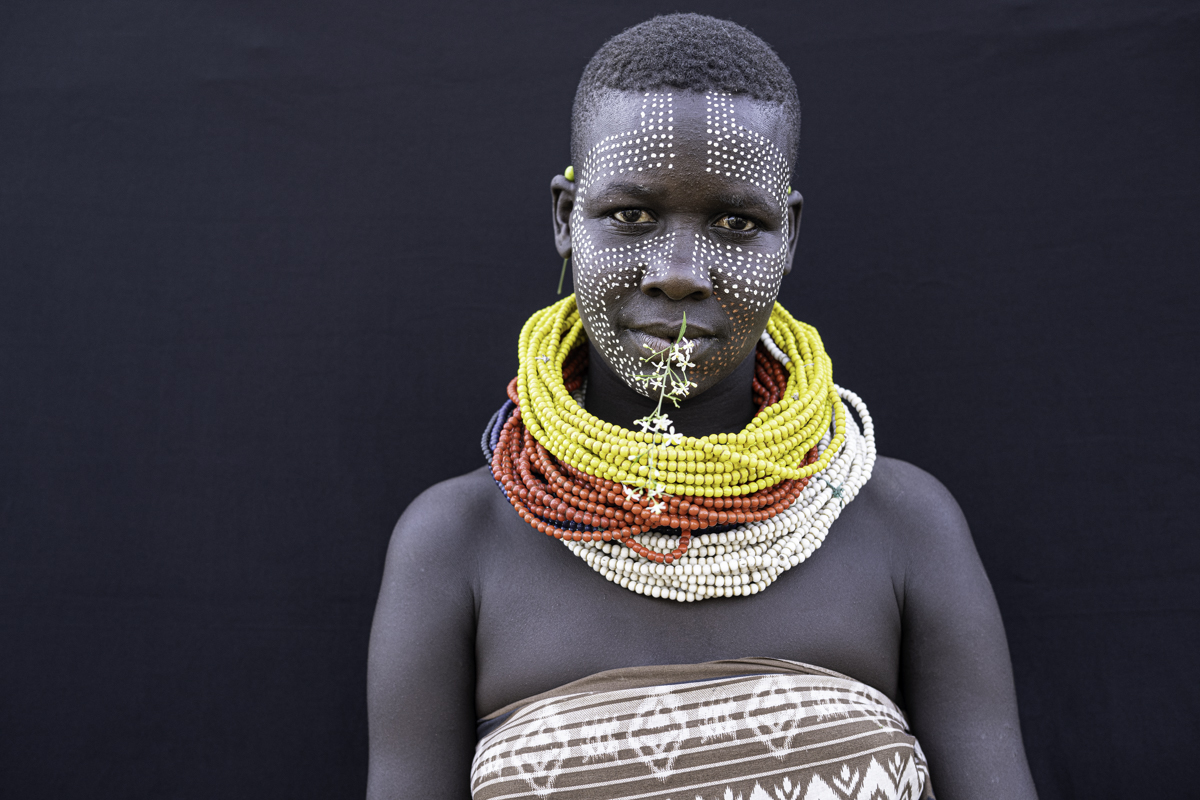
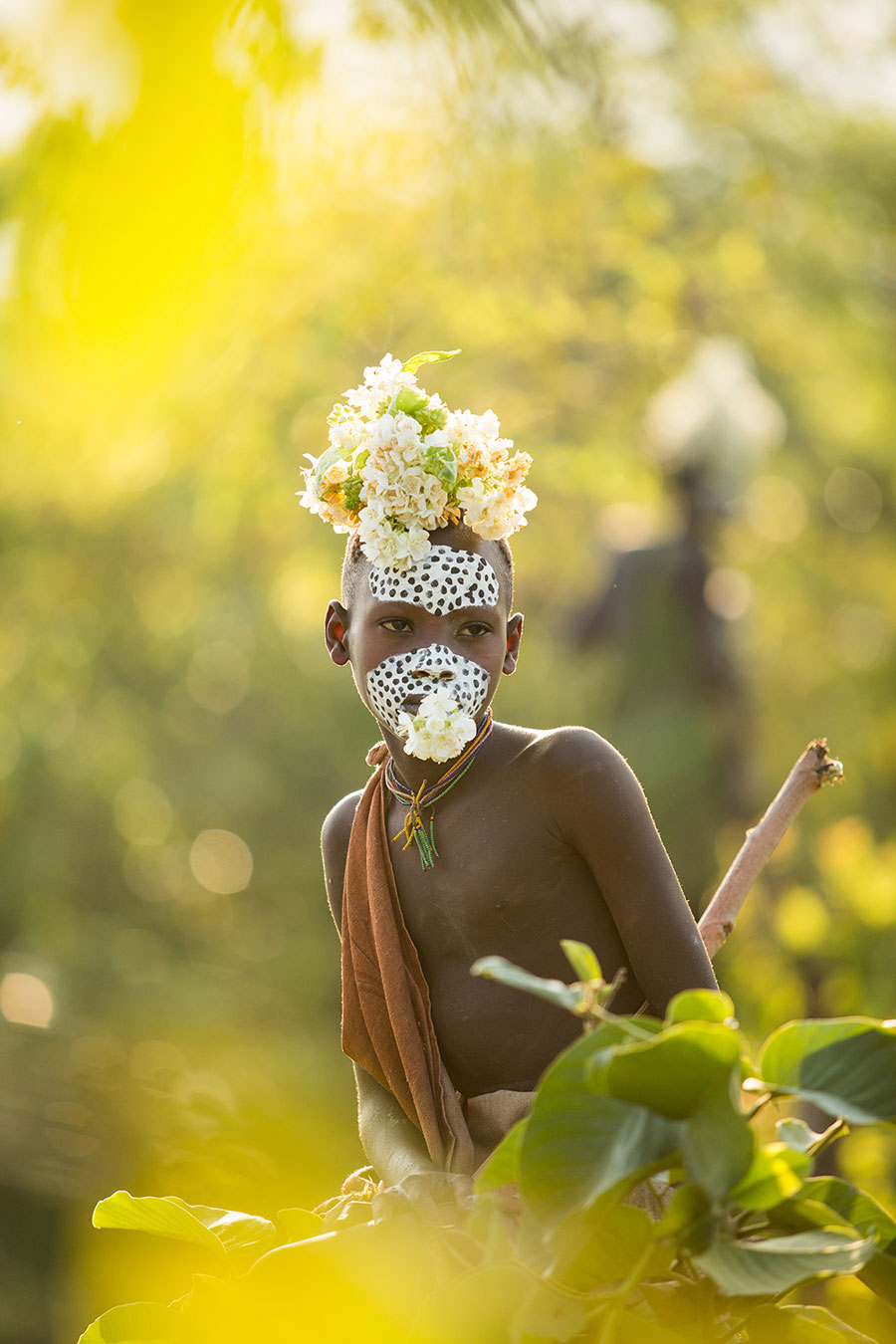
What makes the Omo Valley so remarkable, as the report documents, is not just the preservation of individual traditions but the sheer density of cultural diversity in such a small area. Within a radius of just 200 kilometres, you encounter more than 16 distinct ethnic groups — each with its own language, customs, social structure, body art traditions, and spiritual beliefs. The Mursi women’s iconic clay lip plates, the Karo’s elaborate body painting, the Hamer’s bull-jumping ceremony, and the Dassanech’s inventive recycled-material headdresses all exist within a day’s drive of each other, yet each represents a completely unique cultural expression.
This diversity is a testament to the Omo Valley’s isolation — the rugged terrain, lack of roads, and distance from urban centres have acted as a natural shield, preserving ways of life that date back centuries. But as the report notes, this isolation is eroding. Road construction, dam projects on the upper Omo, and the slow encroachment of mobile phone technology are beginning to change the equation. The challenge — for Ethiopia, for the international community, and for the tribes themselves — is how to balance development with the preservation of this irreplaceable cultural heritage.
A Visual Journey Without Equal
The photography in the National Geographic feature is breathtaking. Close-up portraits of Mursi warriors with their elaborate scarification patterns, wide-angle shots of the Omo River winding through the valley, and intimate moments of daily life — a Hamer woman braiding her daughter’s hair, a Karo man painting his friend’s face — capture the beauty and humanity of these communities with stunning clarity. The images serve as a powerful reminder that the Omo Valley is not a museum or a theme park but a living, breathing collection of human societies that have as much to teach us about resilience, creativity, and community as any urban civilisation.
Why This Matters for Travellers
For anyone considering a visit to the Omo Valley, the National Geographic report provides essential context. Understanding the river’s importance, the fragility of these cultures, and the ethical responsibilities of tourism helps frame your visit as something more than sightseeing. You are witnessing living history — and your presence, if respectful and well-managed, can contribute to the economic case for preserving these traditions rather than replacing them with modernisation. The Omo Valley’s tribes don’t need saving — they need visitors who come with open hearts, fair compensation, and a genuine desire to understand rather than simply observe.
Source: National Geographic