
Timing your Omo Valley visit correctly can make the difference between a good trip and an extraordinary one. The region’s climate, road conditions, tribal ceremony schedules, and tourist density all shift dramatically throughout the year. Here’s everything you need to know to choose the perfect time for your Omo Valley adventure.
Dry Season (September – March): The Peak Visiting Window
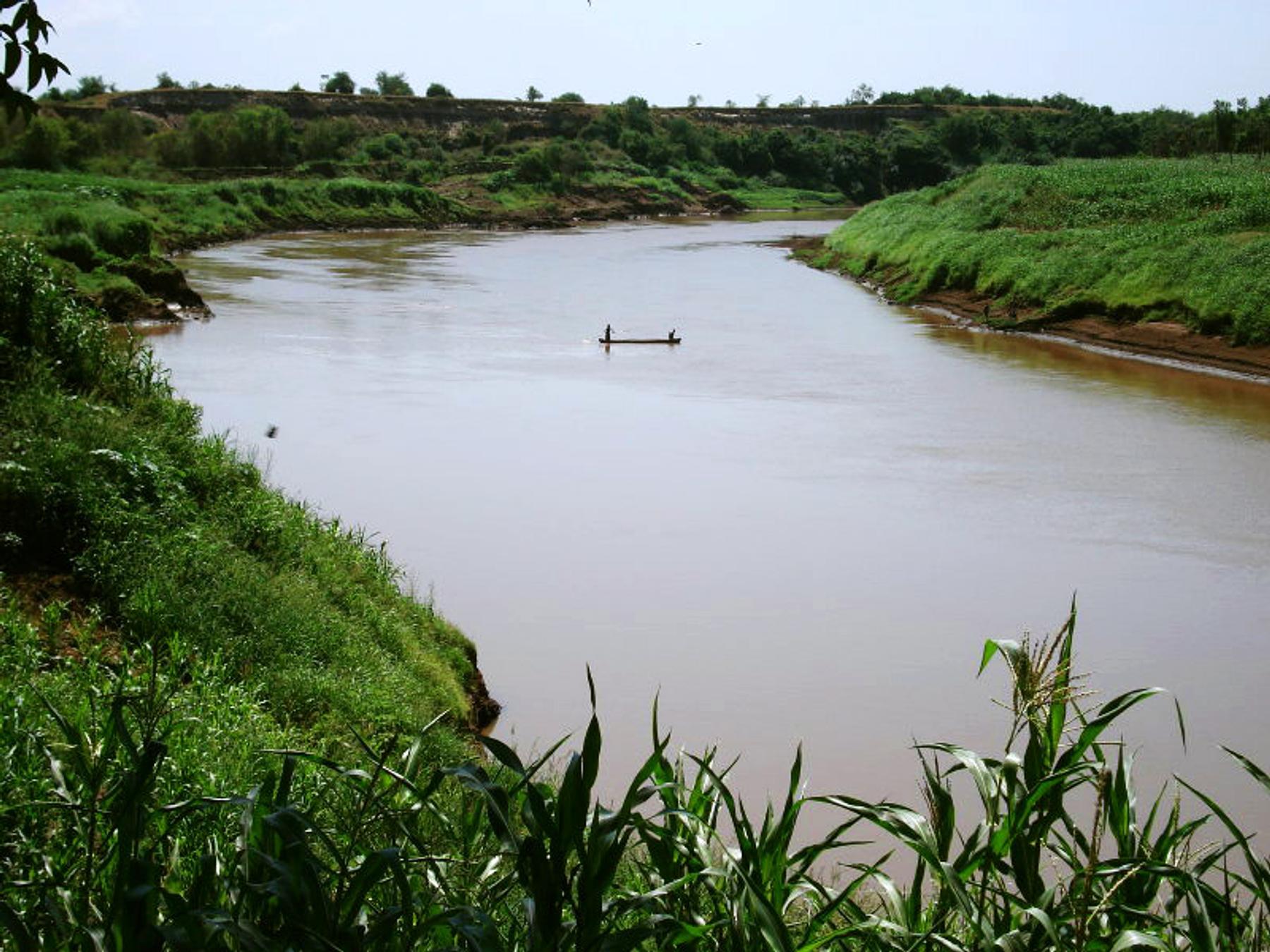
The dry season is the ideal period for Omo Valley travel and the time when the vast majority of tours operate. After the long rains end in August, the roads begin to dry out and become passable again by mid-September. By October, conditions are excellent — clear skies, manageable temperatures, and the landscape still lush and green from the recent rains. This is also the post-harvest period for many tribes, which means celebrations, ceremonies, and markets are at their most vibrant and frequent.
October through January is widely considered the sweet spot. Temperatures are warm but not extreme (28–35°C), roads are in their best condition, and the Hamer bull-jumping ceremonies are most likely to occur. The tribal markets at Turmi (Monday), Key Afer (Thursday), and Dimeka (Saturday) are bustling during this period, with tribes coming together from across the valley to trade livestock, grain, honey, and handmade crafts.
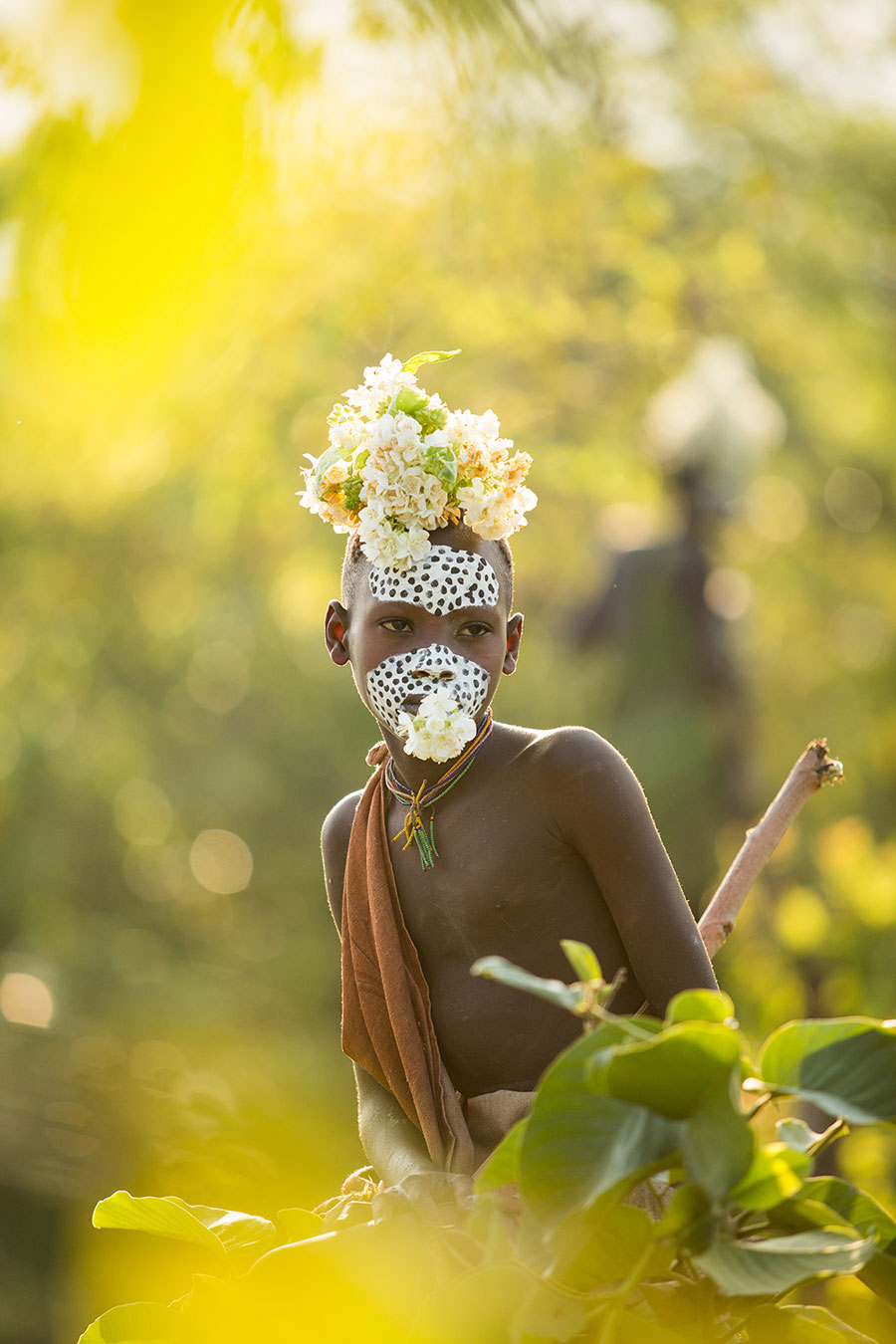
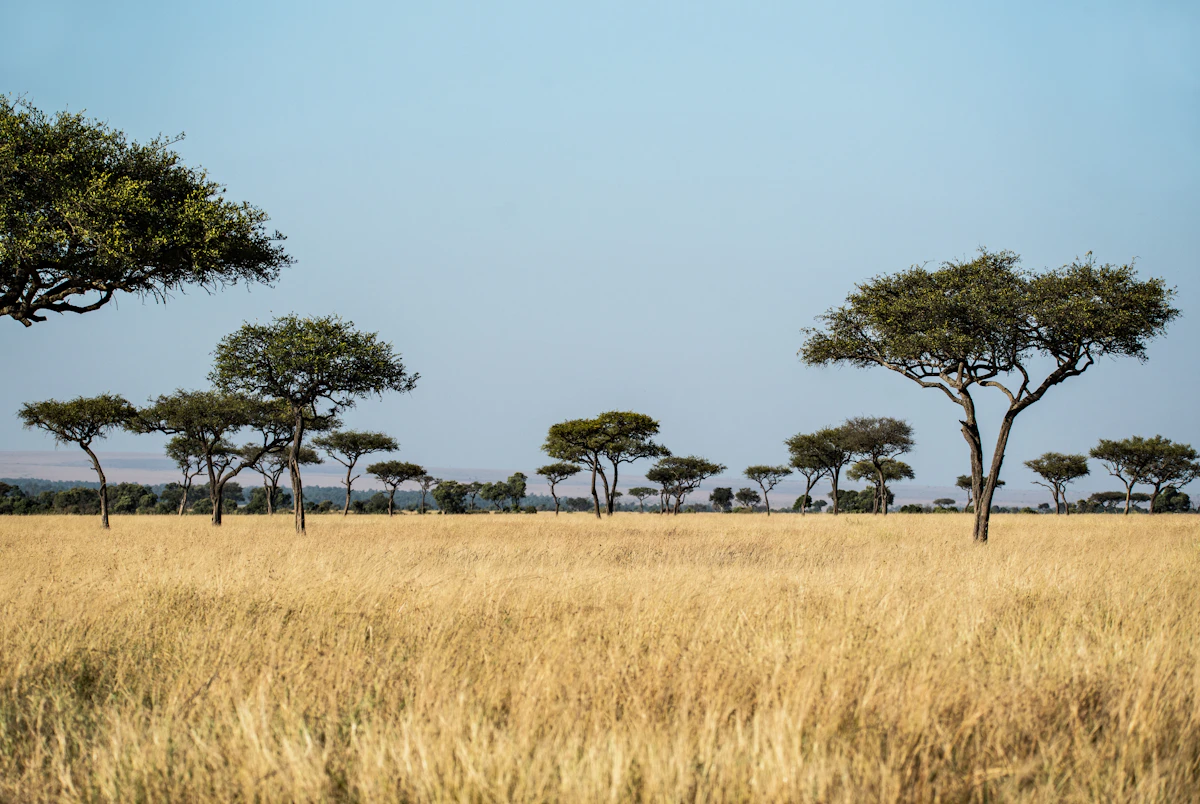
February and March remain good for travel, though temperatures begin to climb noticeably. The landscape becomes increasingly dry and golden-brown, which creates dramatic photography conditions — the warm tones of the earth complementing the ochre and chalk of tribal decorations. Dust levels increase, however, making the drives more challenging for those sensitive to air quality.
Shoulder Season (April – May): Fewer Crowds, Greater Flexibility
The first rains typically arrive in late March or early April, heralding the beginning of the shoulder season. This period offers a fascinating trade-off: roads become more challenging (some sections may be temporarily impassable after heavy rain), but the landscape transforms into a vivid green, and you’ll encounter far fewer tourists. If you’re willing to build extra flexibility into your itinerary and accept the possibility of route changes, the shoulder season can offer more authentic, intimate experiences. Lodges are less crowded, tribal communities are less accustomed to seeing visitors, and the interaction feels more natural and spontaneous.
By mid-May, the rains intensify and travel becomes increasingly difficult. This marks the transition from “adventurous but possible” to “not recommended without serious preparation.”
Rainy Season (June – August): Not Recommended
The Omo Valley’s long rainy season runs from June through August, with the heaviest rainfall in July. During this period, many roads become completely impassable — rivers swell, bridges flood, and the unpaved tracks turn into mud channels. Some lodges and camps close entirely. Travel is not recommended unless you have significant time, patience, and tolerance for uncertainty. That said, if you do manage to reach the valley during the rains, you’ll witness a side of tribal life that few outsiders ever see — the planting season, rain ceremonies, and the dramatic, moody landscapes of the wet valley.
Ceremony Calendar: When to See Bull-Jumping
The Hamer bull-jumping ceremony (Ukuli Bula) — the most famous and sought-after tribal event in the Omo Valley — typically takes place between September and February, with peak frequency in October and November. However, exact dates are never published in advance. They are determined by individual families based on when a young man is deemed ready for his rite of passage, influenced by agricultural cycles, lunar patterns, and elder guidance. Longer itineraries (7+ days) dramatically increase your chances of witnessing one, as your guide has more time to track which villages are preparing for ceremonies and adjust your route.
Mursi Donga (stick fighting) ceremonies tend to cluster around the harvest season (September–November), though they can happen at any time when disputes arise or young men wish to demonstrate their prowess. Karo body-painting ceremonies are most elaborate during the dry season when minerals for pigments are most accessible and community gatherings are frequent.
Temperature Considerations
The Omo Valley is hot year-round. Average daily temperatures range from 28°C to 40°C, with the hottest period being March through May — just before the rains bring relief. Nights are warm but more comfortable, typically dropping to 18–22°C. Activities in the Omo Valley follow a natural rhythm: early morning village visits when the light and temperature are ideal, midday rest during the hottest hours, and afternoon or sunset activities as the air cools. Staying hydrated is critical — plan to drink 3–4 litres of water per day minimum.
Our Recommendation
For first-time visitors, we strongly recommend the October through January window. This period offers the best combination of weather, road conditions, ceremony likelihood, comfortable temperatures, and vibrant market activity. Book well in advance, as this is peak season and lodge availability in Turmi and Jinka fills quickly. For repeat visitors or adventurous travellers seeking a quieter experience, April offers a fascinating shoulder-season alternative with its green landscapes and reduced tourist numbers.