
CNN Travel’s feature on Australian photographer Louisa Seton’s work among the Surma people offers a rare and deeply personal window into one of Ethiopia’s most remote tribal communities. The Surma — a collective name for the Suri and Mursi peoples of the southwestern Omo Valley — are known for their extraordinary artistic traditions: elaborate body scarification, the women’s iconic lip plates, and the men’s dramatic stick-fighting ceremonies. Seton’s photography captures not just the visual spectacle of these traditions but the quiet, intimate moments that reveal the soul of the community.
Beyond the Surface: Photographing Daily Life
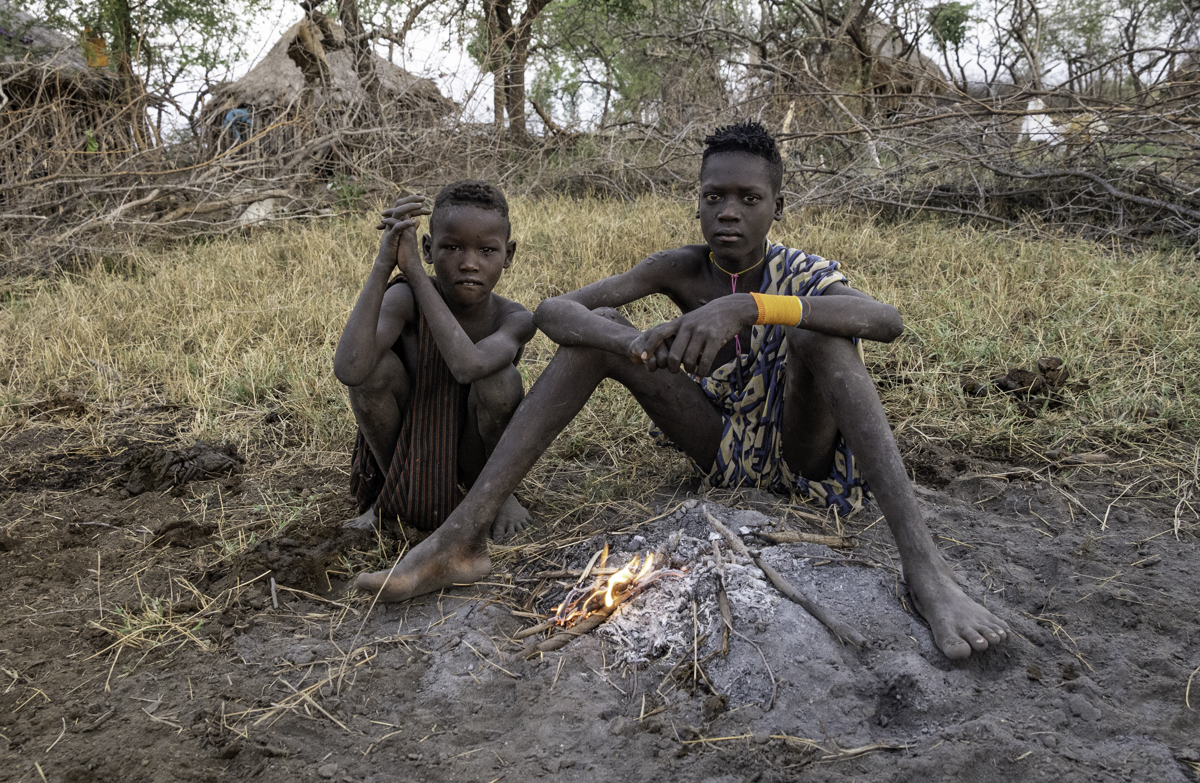
What distinguishes Seton’s work from the typical travel photography of the Omo Valley is her willingness to move beyond the obvious. While most visitors photograph the lip plates and body paint — the visual elements that make for striking images — Seton spent weeks living within the community, earning trust and access to moments that casual visitors never see. Her camera captures a mother carefully applying body paint to her daughter before a ceremony. It shows elders deep in conversation under the shade of a fig tree, their scarred torsos telling stories of a lifetime. It records the quiet concentration of a young man shaping a wooden headrest that will serve as his pillow for decades.
These images are powerful precisely because they are ordinary. They remind us that behind the dramatic cultural expressions that draw photographers to the Omo Valley, there are real people living real lives — raising children, tending crops, laughing with friends, and worrying about the future. Seton’s work bridges the gap between spectacle and humanity in a way that few Omo Valley documentarians have achieved.
The Art of Scarification
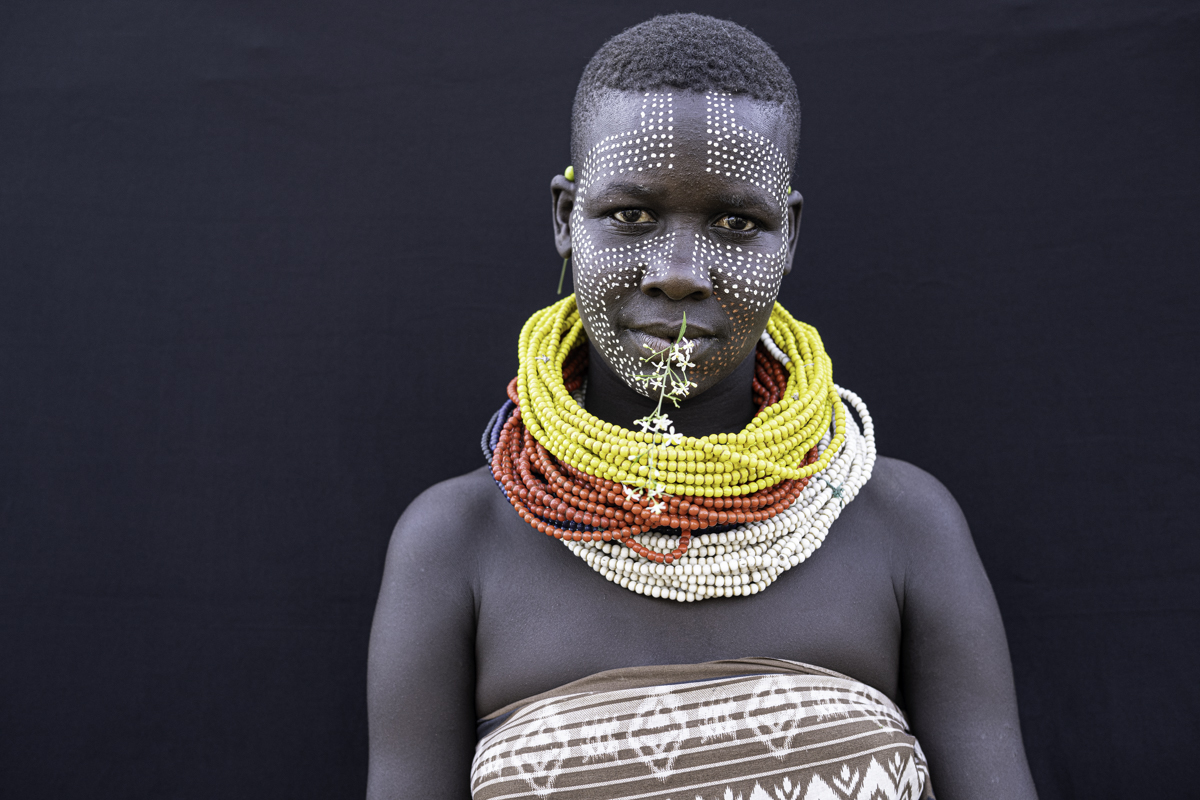
The CNN feature provides particularly detailed coverage of Surma scarification practices. For Surma women, scarification is a primary form of body art — intricate patterns of raised skin created by deliberately cutting the body with thorns or razor blades, then rubbing ash or plant sap into the wounds to create pronounced, textured scars. The patterns are deeply personal — each woman designs her own, often drawing inspiration from the natural world: the veins of leaves, the patterns of snake skin, the ripples in river water. Scarification is performed progressively over years, beginning in adolescence and continuing into adulthood. The process is painful but is regarded as a demonstration of courage, beauty, and cultural identity.
For men, scarification serves a different purpose — each scar on the chest or arm represents a significant achievement, typically in battle or hunting. A man’s body tells his life story through these permanent marks, and the patterns are read and respected by others in the community.
Natural Pigments and Body Decoration
Beyond scarification, the Surma are also gifted body painters, though their techniques differ from the Karo’s mineral-based approach. Surma body decoration often incorporates natural plant materials — flowers woven into elaborate headpieces, seed pods strung into necklaces, and leaves and grasses arranged into temporary costumes. Seton’s photographs capture these ephemeral creations with extraordinary sensitivity — the contrast between the soft petals and the strong, sculpted bodies creates images of haunting beauty. The decorations are not merely aesthetic; many have symbolic significance tied to fertility, protection, and social status.
The Intersection of Art and Anthropology
CNN’s feature ultimately argues that the best way to understand the Surma — and, by extension, all of the Omo Valley’s tribal communities — is through their art. Body decoration, scarification, lip plates, and ceremonial dress are not museum artefacts; they are living, evolving expressions of identity, beauty, and belonging. When we reduce these practices to exotic curiosities, we miss their profound significance. When we approach them as art — with the same respect and attention we bring to any great creative tradition — we begin to understand the Omo Valley on its own terms.
Source: CNN Travel