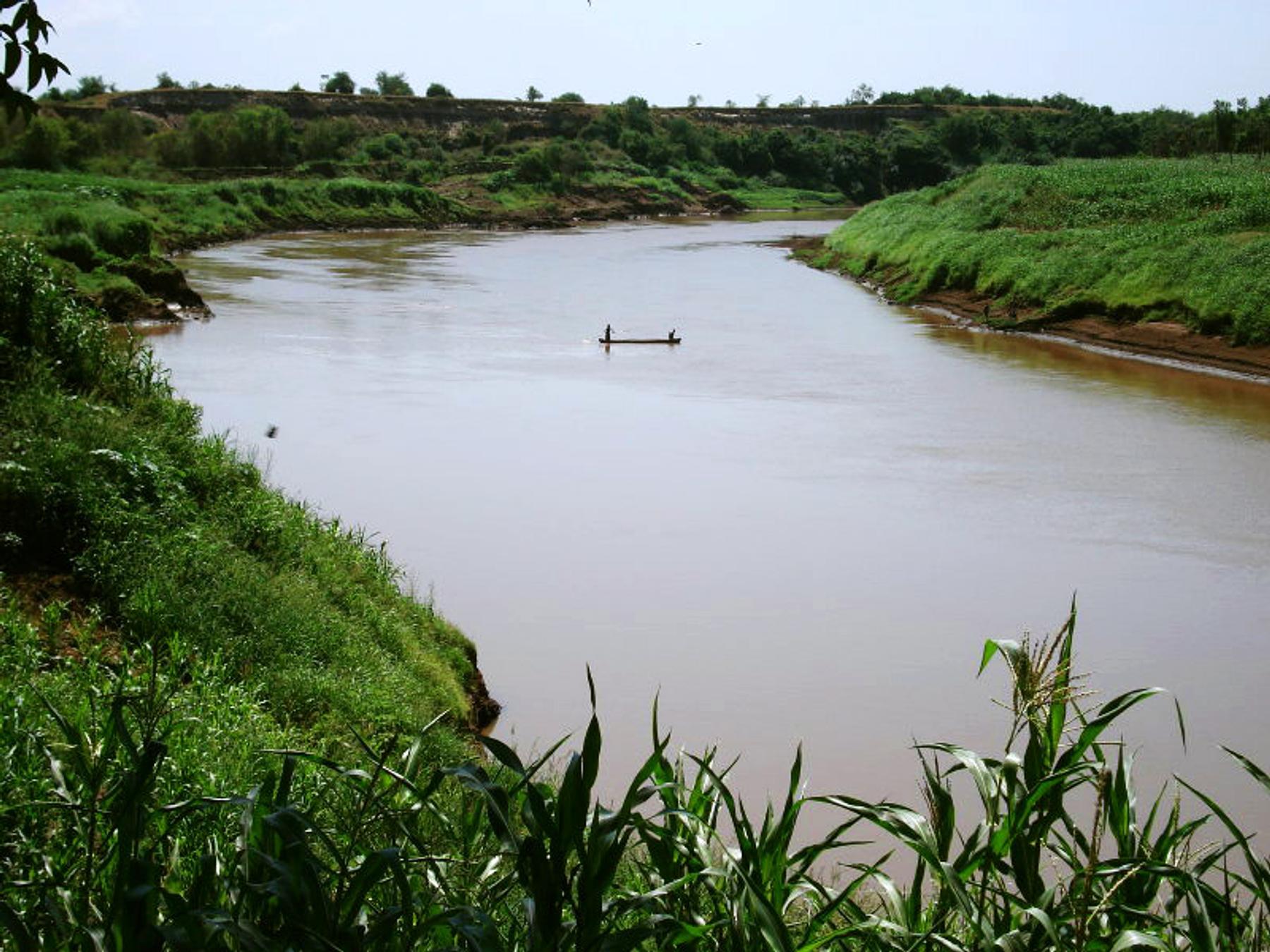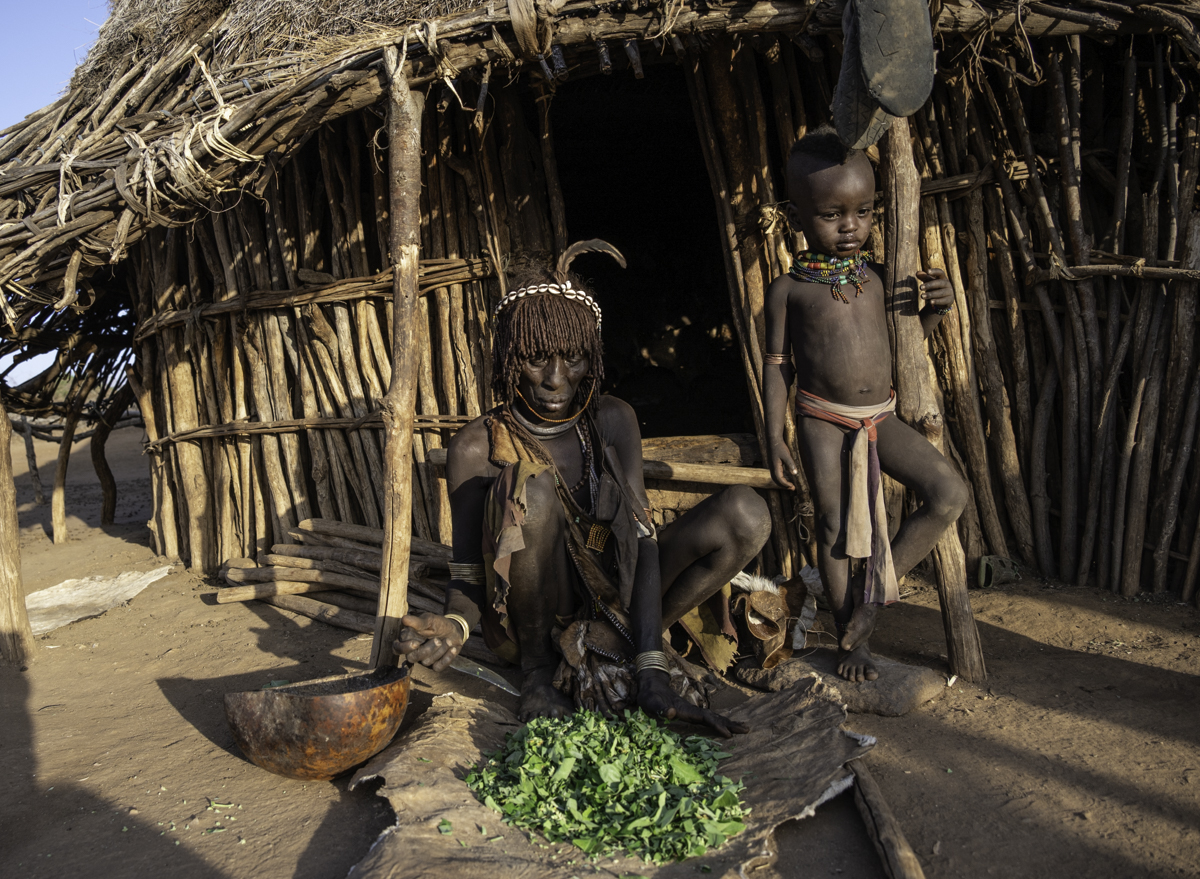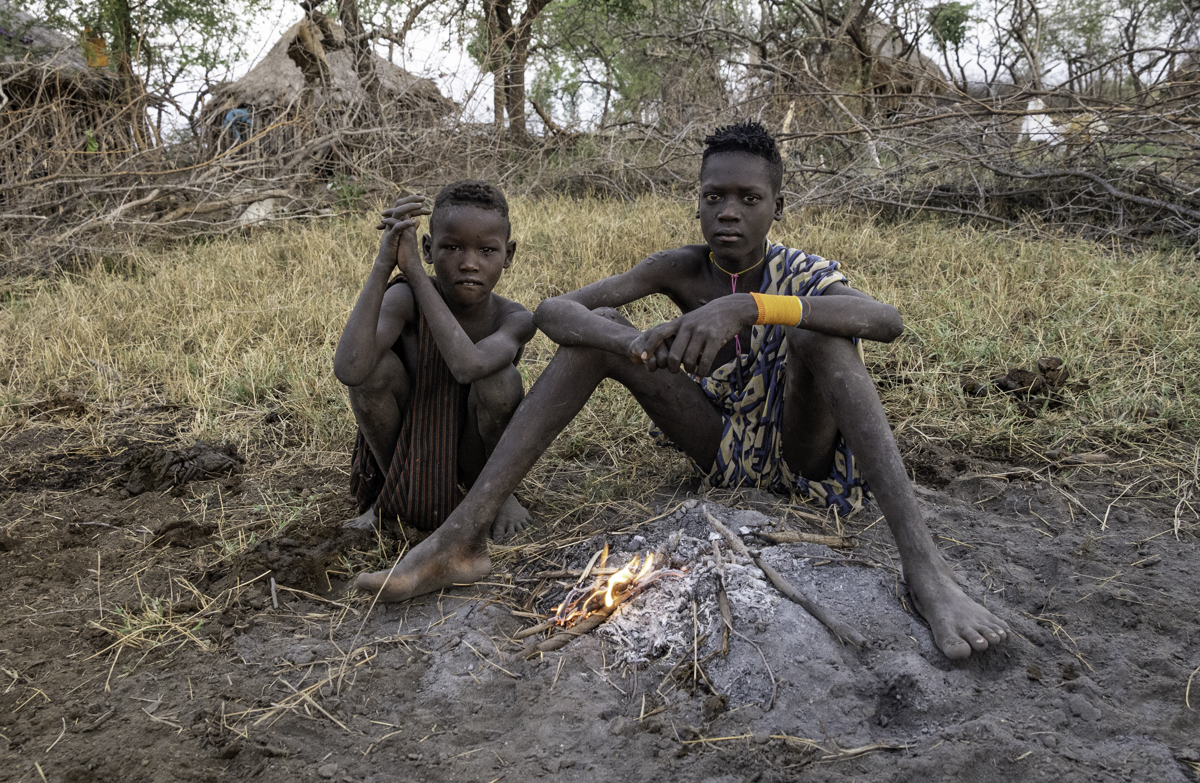


The Omo Valley has a reputation as an expensive destination, but Beyond the Bucketlist challenges this assumption with a practical, no-nonsense guide to exploring Ethiopia’s tribal heartland on a budget. The article offers strategies for reducing costs without sacrificing the quality of the experience — and provides a refreshingly honest look at the ethical complexities of budget travel in one of the world’s most culturally sensitive regions.
Budget Transport: The Public Minibus Option
The biggest expense in the Omo Valley is typically the private 4×4 vehicle. Beyond the Bucketlist details the alternative: Ethiopia’s extensive public minibus network. Regular services connect Addis Ababa to Arba Minch (10–12 hours, approximately $15), Arba Minch to Jinka (6–7 hours, approximately $8), and Jinka to Turmi (4–5 hours, approximately $6). The buses are crowded, the seats are cramped, and the roads are rough — but the savings are significant. A week’s public transport costs less than a single day of private 4×4 hire. The article recommends this option only for travellers with flexible schedules, a high tolerance for discomfort, and some experience with challenging public transport in developing countries.
Hiring Guides Locally
Rather than booking an all-inclusive tour from Addis Ababa (which typically costs $200–$400 per day), the article suggests finding guides directly in Jinka or Turmi. Local guides charge $25–$40 per day and often provide superior cultural knowledge because they are from the communities being visited. The key is doing your research: check recent traveller reviews, ask for recommendations at your guesthouse, and interview potential guides before committing. A good guide should be able to explain the history and customs of each tribe in detail, speak the local languages, and demonstrate that they have genuine relationships with the communities they visit.
Affordable Accommodation
Accommodation in the Omo Valley ranges from $8 basic guesthouses to $80+ eco-lodges. Beyond the Bucketlist highlights the best budget options: simple but clean guesthouses in Jinka (around $10–$15 per night), the government hotel in Turmi (basic rooms with intermittent electricity, $12–$18), and camping options near Konso and in Mago National Park ($5–$10). The article notes that even the budget options are perfectly adequate — a clean bed, mosquito net, and cold-water shower are all you really need after a day in the valley. The savings can be redirected to what really matters: more village visits, more market days, and better photography opportunities.
The Ethics of Budget Travel
This is where Beyond the Bucketlist elevates itself above a typical budget guide. The article asks a critical question: when you cut costs, who absorbs the difference? Bargaining aggressively with local guides, skipping photography fees, or choosing the cheapest operator regardless of their ethical practices may save money but can harm the communities you’re visiting. The article argues for “strategic budgeting” — save money on transport, accommodation, and meals (which don’t directly benefit tribal communities), but spend generously on guide fees, photography fees, market purchases, and tips (which do). This approach keeps your overall costs down while ensuring your visit has a positive economic impact on the people whose lives you’re entering.
Cost-Saving Tips That Actually Work
The article concludes with practical, field-tested tips: travel in a small group (2–4 people) to split vehicle and guide costs. Visit during the shoulder season (April–May) when prices drop. Eat at local restaurants rather than lodge dining rooms — a full meal of injera with stew costs $2–$3. Buy snacks and water in Jinka or Arba Minch, where prices are much lower than in remote villages. Bring your own headlamp, reusable water bottle, and basic first-aid kit to avoid paying inflated prices for essentials in the valley. And most importantly, budget extra time — rushing through the Omo Valley not only diminishes the experience but actually costs more, since you need to cover greater distances each day.
Source: Beyond the Bucketlist