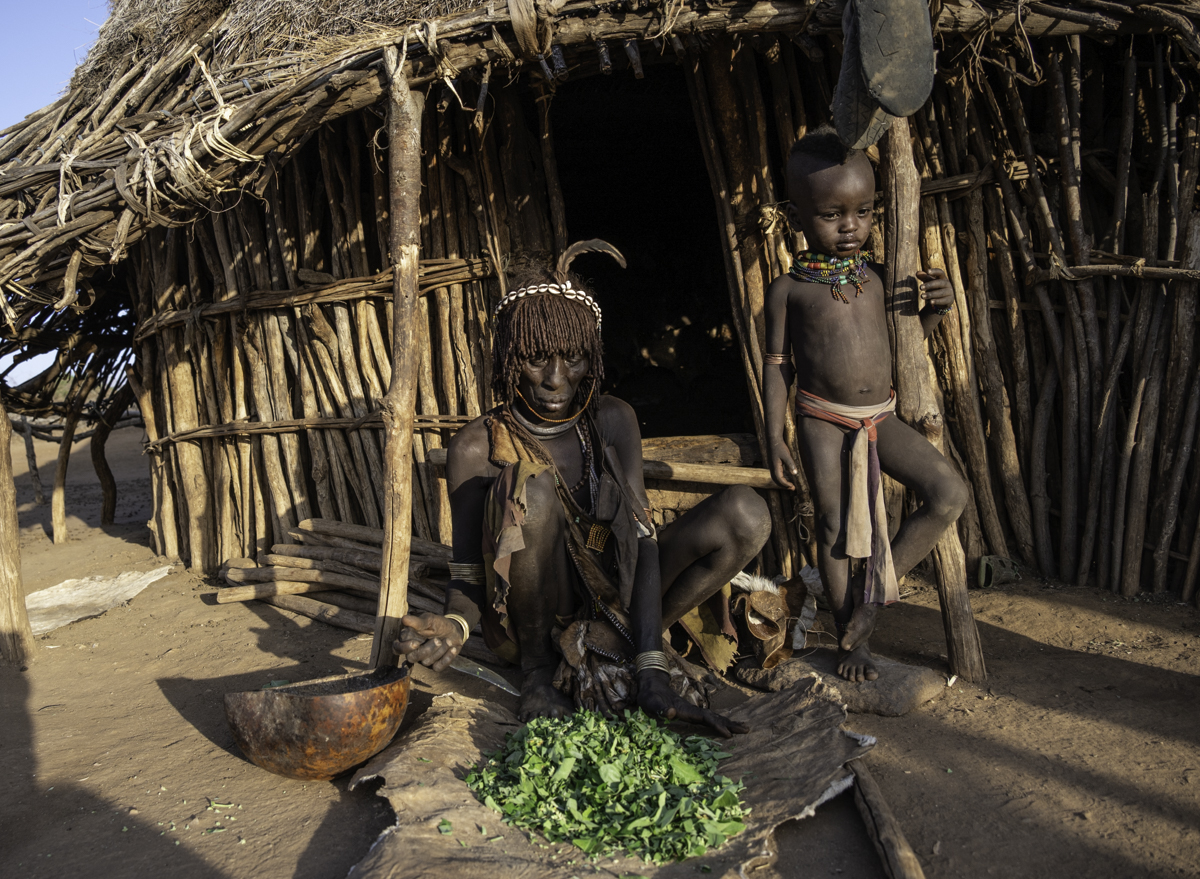

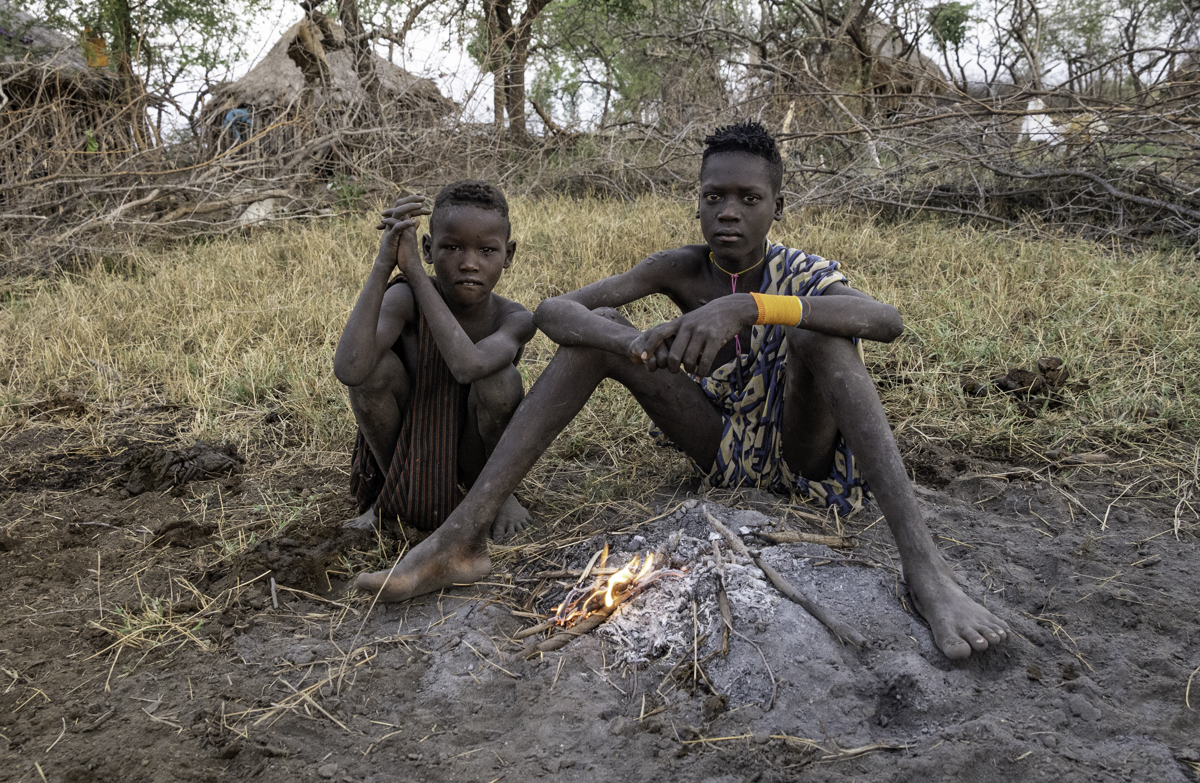
Award-winning travel blogger Stephanie Parker’s comprehensive guide to the Omo Valley is a goldmine of practical information. Written with the detail-oriented thoroughness that has made Big World Small Pockets a trusted resource for travellers, the guide covers everything from suggested itineraries and packing lists to cost breakdowns and market-day schedules. Whether you’re a budget backpacker or a luxury traveller, this post provides the logistical foundation for a successful Omo Valley trip.
Suggested Itineraries: From 3 Days to 2 Weeks
Parker breaks down realistic itinerary options for different time frames. A minimum of three days allows you to visit one or two tribes (typically the Mursi and Hamer) — enough for a taste but not a full experience. Five to seven days is the sweet spot for most travellers, covering the major tribal communities (Mursi, Hamer, Karo, and Konso) with enough breathing room for market days and unexpected discoveries. Ten days or more allows the comprehensive experience — adding the Dassanech, Banna, Ari, and Dorze peoples, plus time for multiple market visits and a higher chance of witnessing ceremonies. Parker emphasises that the Omo Valley rewards slow travel; trying to cram too many stops into too few days leads to exhaustion and superficial visits.
Packing Essentials
The packing advice is particularly useful. Parker highlights items that many first-time Omo Valley visitors forget: a headlamp (essential for lodges with intermittent electricity), insect repellent with high DEET concentration (malaria is present in the valley), a quick-dry towel, wet wipes (showers aren’t always available), a portable power bank (charging opportunities are limited), and a sarong that doubles as sun protection, towel, and modest cover-up for village visits. She recommends neutral-coloured clothing to avoid startling communities unaccustomed to bright Western fashion, and sturdy closed-toe shoes for village walks on uneven ground.
Cost Breakdown: What to Expect
One of the most valuable aspects of the guide is its transparent cost breakdown. Parker tallies every expense from a typical week-long trip: domestic flights ($200–$350 return from Addis Ababa), 4×4 hire with driver ($80–$120/day), guide fees ($30–$50/day), accommodation ($15–$60/night), food ($10–$20/day), village and photography fees ($15–$25/day), and miscellaneous expenses ($10–$15/day). The total comes to roughly $700–$1,200 per person for a week-long trip without organised tour operators, or $1,200–$2,500 through a reputable agency that handles all logistics. Parker notes that going through an agency, while more expensive, eliminates the stress of negotiation, vehicle breakdown management, and route planning — savings in mental energy that many travellers find worth the premium.
Market Days: The Omo Valley Social Calendar
Parker provides a detailed market schedule that is essential for planning your itinerary. The Turmi Monday market is the most popular with tourists — primarily Hamer people trading cattle, honey, and crafts. The Key Afer Thursday market is regarded by many as the most photogenic — Banna, Tsemay, and Ari peoples converge in a spectacular display of tribal diversity. The Dimeka Saturday market is smaller but excellent for closer, more relaxed interactions with Hamer and Banna communities. Markets typically begin mid-morning and wind down by early afternoon, so plan to arrive by 9:00 AM for the best experience. Parker recommends structuring your entire itinerary around market days — they are the highlight of any Omo Valley trip and missing them is a significant loss.
Don’t Miss These Hidden Gems
Beyond the major tribal visits, Parker highlights experiences that many itineraries overlook. The South Omo Museum in Jinka provides excellent cultural context before you start visiting villages. The drive from Jinka to Turmi passes through some of the most dramatic scenery in southern Ethiopia — ask your driver to stop at viewpoints. The Konso terraced landscapes are best visited in the early morning when the angular light brings out the geometric patterns of the stone walls. And if you have an extra day, the Dorze weavers near Arba Minch offer a completely different cultural experience — their towering beehive-shaped bamboo houses and master cotton-weaving traditions are a fitting bookend to an Omo Valley journey.
Source: Big World Small Pockets