

Stephen Bugno’s field journal from the Lower Omo Valley reads like dispatches from another world. Published on Uncharted Backpacker, the article is one of the most honest and unvarnished accounts of Omo Valley travel available — detailing not just the extraordinary cultural encounters but also the physical challenges, ethical dilemmas, and personal transformations that come with visiting one of the most remote regions in Africa.
The Reality of Remote Travel
Bugno pulls no punches about the physical demands of reaching the Omo Valley’s most remote communities. The roads between villages are unpaved, deeply rutted, and often barely distinguishable from the surrounding bushland. During one stretch between Turmi and Omorate, his vehicle got stuck in a sandy riverbed for over an hour, requiring the combined efforts of his driver, guide, and several passing locals to extract it. Temperatures consistently exceeded 40°C, turning the vehicle into an oven during midday travel. Water was rationed carefully, and the lodges — while adequate — were basic by any standard. “If you come to the Omo Valley expecting comfort,” Bugno writes, “you’ve come to the wrong place. If you come expecting transformation, you’re in exactly the right place.”
Crossing the Omo River
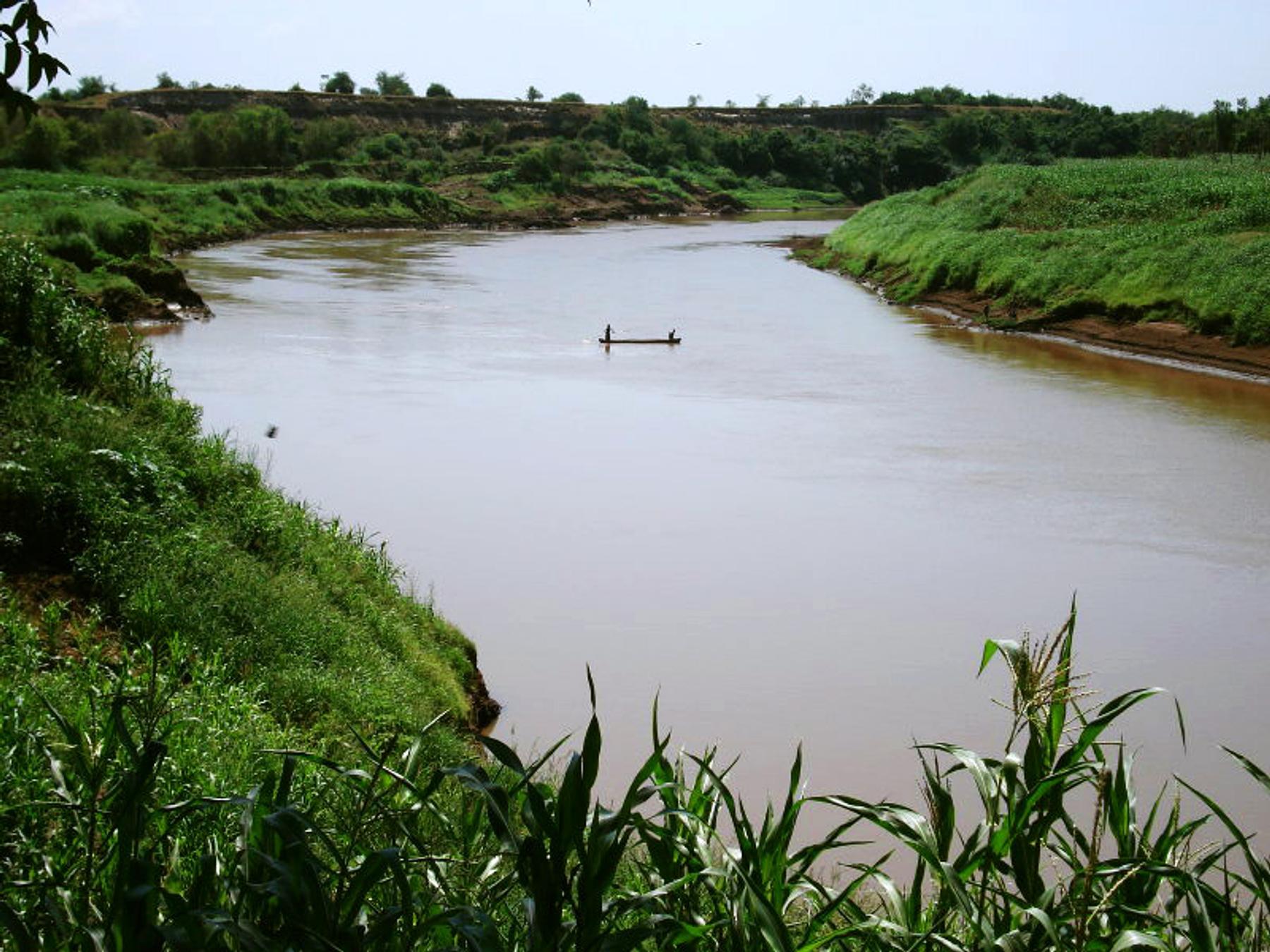
One of the article’s most vivid passages describes the dugout canoe crossing of the Omo River to reach the Dassanech communities near Lake Turkana. The narrow wooden canoes, carved from a single tree trunk, sit dangerously low in the murky brown water. Bugno describes the crossing as both thrilling and slightly terrifying — the river is home to crocodiles and hippos, and the canoe feels barely wider than his shoulders. On the far side, the Dassanech village appears like a cluster of domes on the flat, sun-baked delta landscape. The encounter with the community — their creative recycled-material headdresses, the children’s curiosity, the elder who invited Bugno to sit and share shade — was, he writes, “one of the most profoundly human moments of my entire travelling life.”
The Importance of a Good Guide
Bugno credits his guide, a man from the Ari tribe near Jinka, with making the difference between a surface-level visit and a meaningful journey. The guide didn’t just translate words — he translated context, explaining the significance of a particular hair decoration, the reason why a group of women was singing, the social dynamics playing out during a marketplace negotiation. “Without him,” Bugno writes, “I would have been a camera with legs — capturing images but understanding nothing.” The article reinforces a consistent theme across every serious Omo Valley travel account: a guide is not a luxury or a bureaucratic requirement. They are the difference between observation and understanding.
Wrestling with Ethics
Perhaps the most thought-provoking section of the article addresses the ethical dimensions of Omo Valley tourism. Bugno describes his discomfort at being one of several foreign visitors photographing a Hamer woman — the transactional nature of the exchange, the sense that he was participating in something uncomfortably close to a “human zoo.” But he also recounts a conversation with his guide that reframed the dynamic: the woman, the guide explained, was a widow who supported three children. The photography fees from visiting tourists constituted a significant portion of her income. By paying fairly and engaging respectfully, tourists were providing economic support that might otherwise require her to sell cattle — her primary safety net.
This nuance — the recognition that ethical travel is not about avoiding impact but about ensuring that impact is positive — runs through the entire article. Bugno concludes that the Omo Valley challenges visitors to confront their assumptions about tourism, photography, development, and cultural preservation. “I didn’t come for answers,” he writes. “I came for questions. And the Omo Valley delivered more than I could carry.”
Practical Takeaways
For those planning their own trip, Bugno offers hard-won practical advice: bring more cash than you think you need, invest in a good guide even if it stretches your budget, carry a physical map (GPS coverage is unreliable), pack a headlamp and portable charger, and allow at least seven days to avoid the feeling of rushing through sacred spaces. Most importantly, he urges readers to leave their expectations at the airport and let the Omo Valley show them what it wants to show.
Source: Uncharted Backpacker