
The question of how to visit the Omo Valley ethically is one that every conscientious traveller must grapple with. The region is home to some of the world’s most photogenic and culturally distinct communities, but the very qualities that make it a compelling destination also make it vulnerable to exploitation. Responsible Travel’s comprehensive guide provides a critical framework for anyone planning a trip to Ethiopia’s southern tribes — a framework that prioritises respect, sustainability, and genuine mutual benefit.
Choosing an Ethical Tour Operator
The single most important decision you’ll make is choosing the right tour operator. Not all companies operating in the Omo Valley are equal. Ethical operators employ local guides from the communities being visited, pay fair wages, and maintain long-standing relationships with tribal leaders. They limit group sizes to minimise disruption, provide thorough cultural briefings, and insist on respectful behaviour from all participants. Before booking, ask pointed questions: How are your guides compensated? Do you pay community fees directly to tribal leaders? What percentage of your staff is from the local community? How do you handle photography protocols? A reputable operator will answer these questions openly and in detail. A company that deflects or avoids them is a red flag.
The Photography Fee Debate
Photography fees in the Omo Valley are a source of ongoing debate. Some travellers feel that paying per-photo fees commodifies the relationship between visitor and host, reducing human interaction to a commercial transaction. Others argue that the fees provide a direct, tangible economic benefit to individuals and families — a form of compensation for the disruption and invasion of privacy that tourism inevitably brings.
The reality is nuanced. Photography fees (typically 5–10 birr, roughly $0.10–$0.20 per photo) are an established custom in the Omo Valley, and refusing to pay them — or attempting to sneak photos without payment — is far more disrespectful than participating in the system. The key is how you engage. Pay willingly, make eye contact, share a smile, and show people their photos on your camera screen. Take the time to have a brief conversation through your guide. When the transaction becomes a human exchange rather than a mechanical process, both parties benefit.
Supporting Local Economies
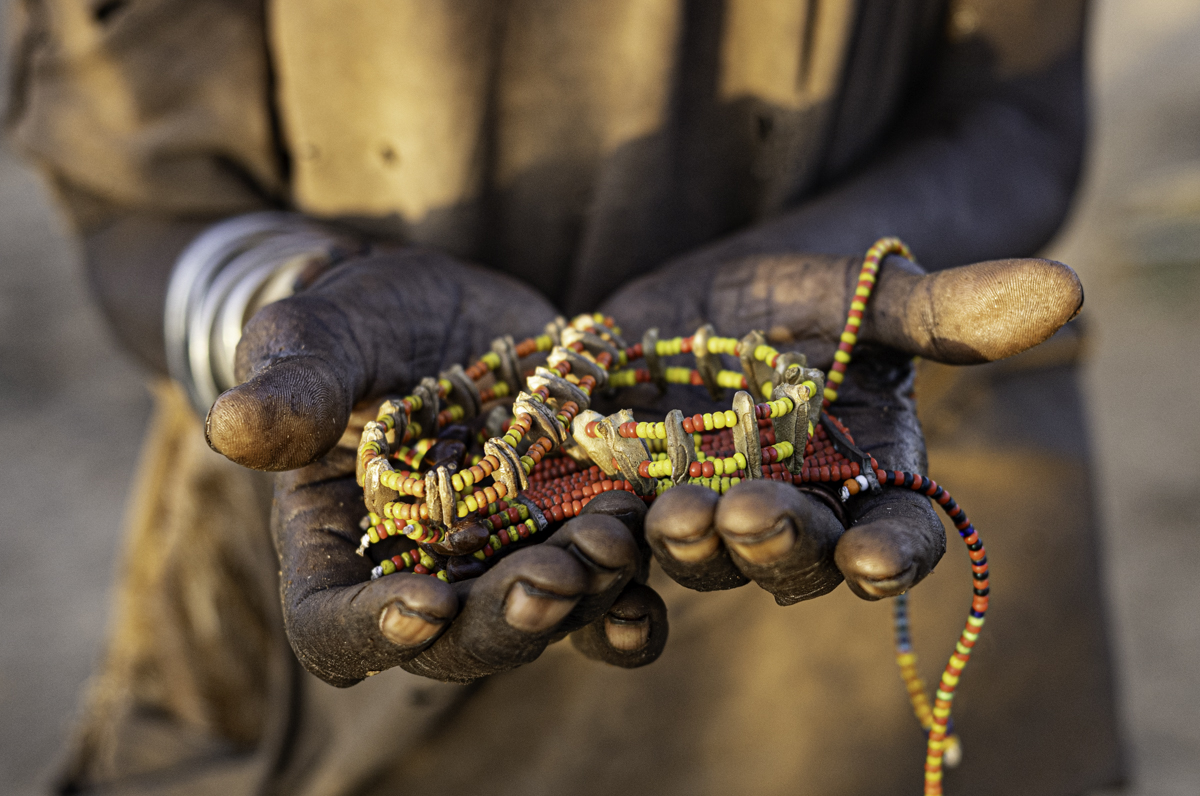
Beyond photography fees, there are many ways to ensure your visit creates positive economic impact. Buy crafts directly from artisans at tribal markets rather than from middlemen in Addis Ababa. Purchase locally made goods — beaded jewellery, woven textiles, carved wooden objects — at fair prices. Tip your guides and drivers generously; they are the backbone of the local tourism economy and your tip may represent a significant portion of their income. Eat at local restaurants in Jinka, Turmi, and Konso. Every birr you spend in the valley stays in the valley.
Respecting Cultural Boundaries
Ethical tourism requires understanding and respecting boundaries — both spoken and unspoken. Follow your guide’s instructions about where you can and cannot go within a village. Ask before entering homes or sacred spaces. Dress modestly, particularly when visiting communities with conservative dress codes. Do not offer gifts to children (this encourages begging and disrupts the community dynamic), and do not make promises you cannot keep — including promises to send photos. If you commit to sending photos, follow through.
Perhaps most importantly, remember that the Omo Valley’s tribal communities are not living museums. They are contemporary societies making active choices about how to engage with the outside world. Treating them with the same respect you would give any host — whether in Tokyo, Paris, or New York — is the foundation of ethical travel.
The Bigger Picture: Tourism as Conservation
Responsible Travel makes an important broader argument: tourism, when done right, can be the most powerful force for cultural preservation in the Omo Valley. When tribal communities derive economic benefit from sharing their traditions with visitors, it strengthens the incentive to maintain those traditions rather than abandon them for wage labour in distant cities. Tourism provides an alternative economic model — one where cultural identity is an asset rather than a barrier to participation in the modern economy. Your visit, if conducted ethically, contributes to this model. That is both a privilege and a responsibility.
Source: Responsible Travel