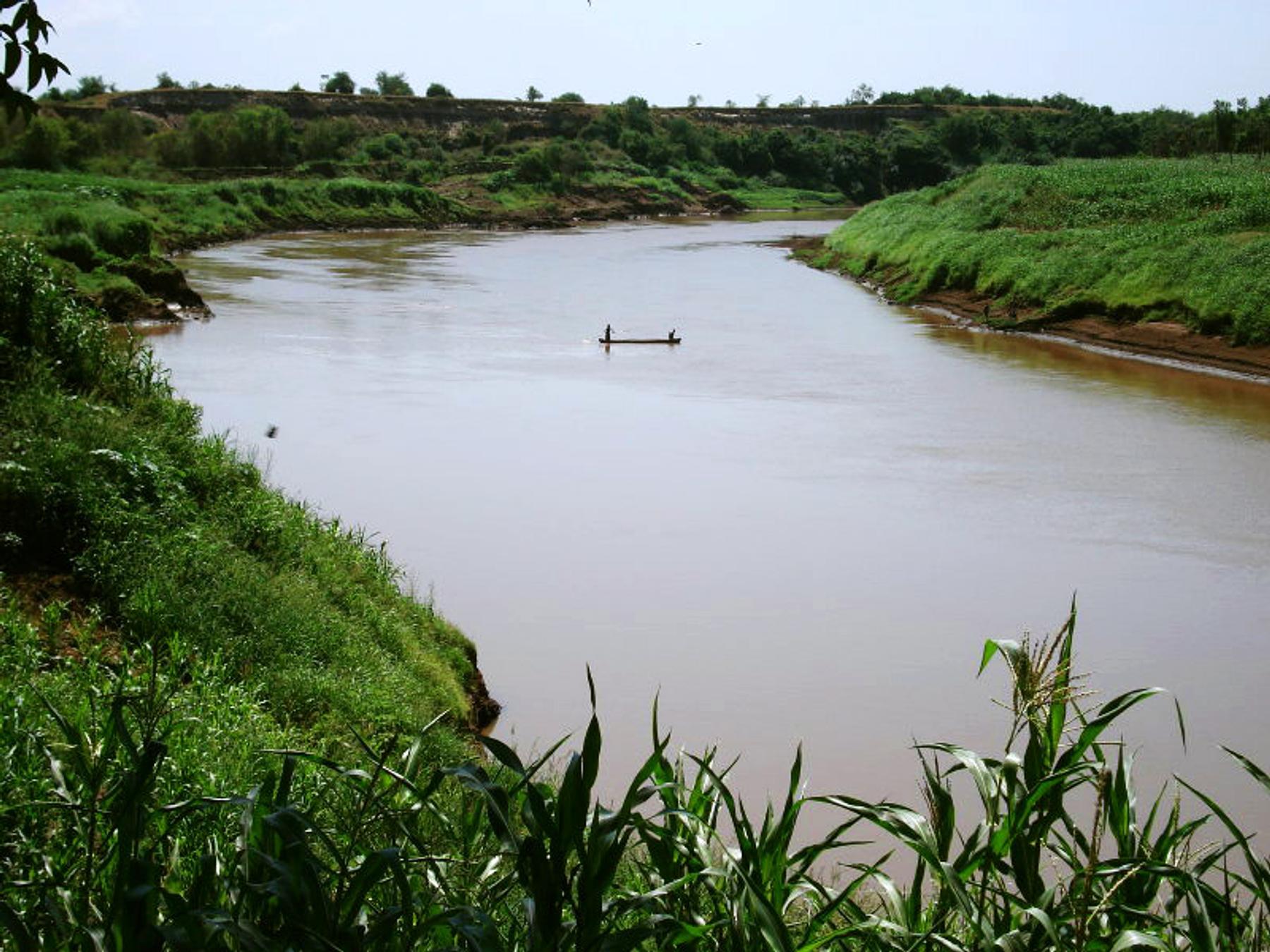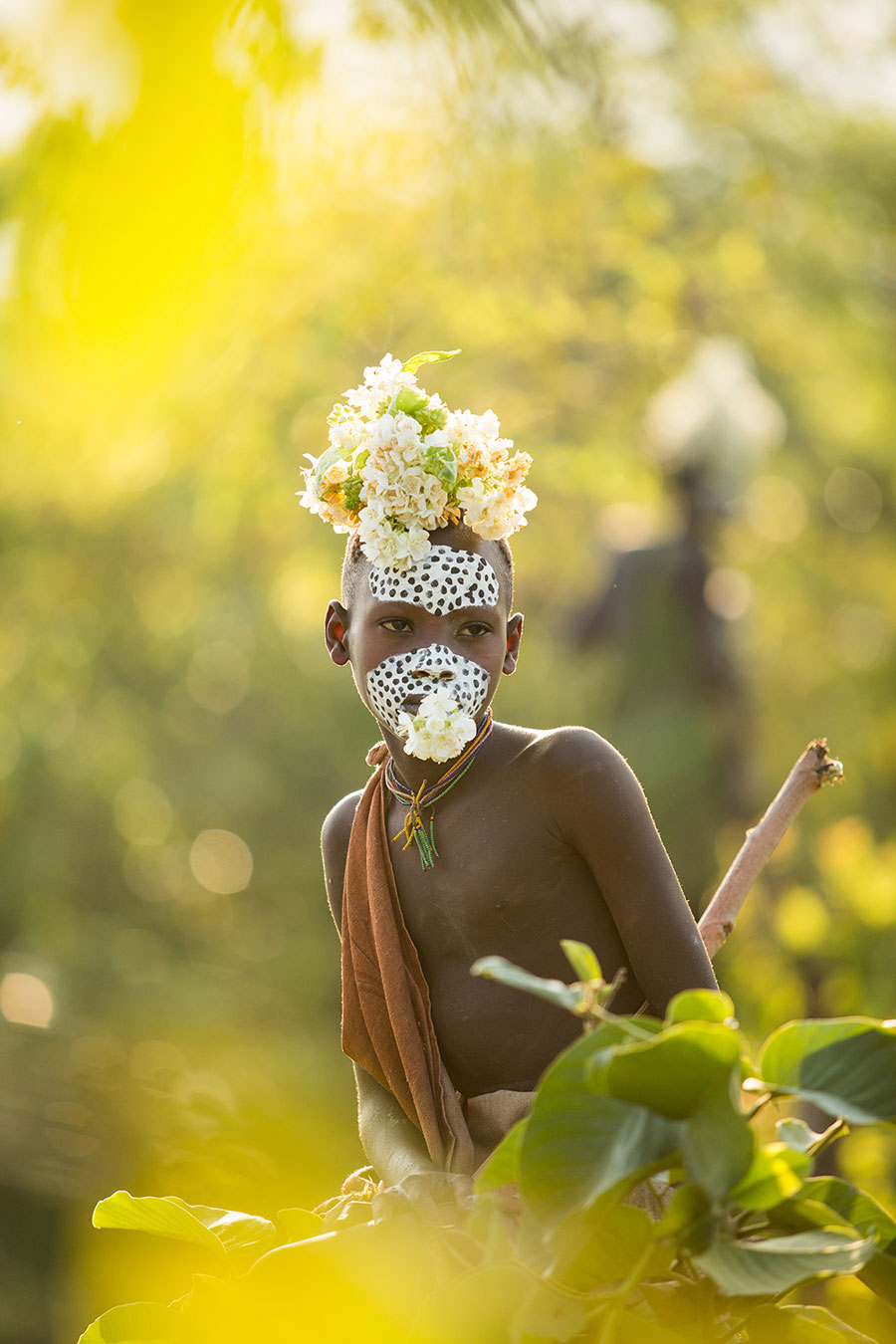

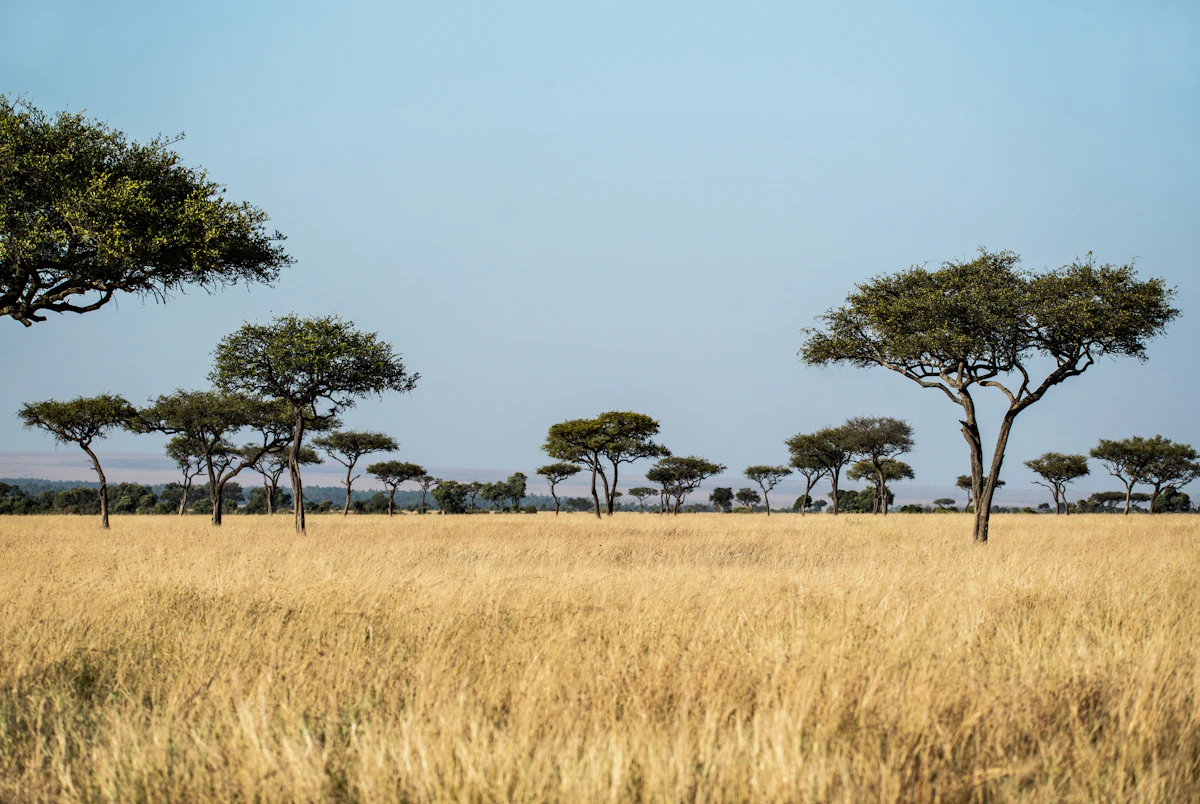
The Omo Valley in southern Ethiopia is one of the most extraordinary cultural destinations on Earth — home to more than 16 distinct ethnic groups who have preserved their ancient traditions, languages, and ways of life for thousands of years. But visiting this remote corner of Africa requires preparation, respect, and the right mindset. Here are the ten most important things every traveller should know before embarking on an Omo Valley adventure.
1. You Need a Knowledgeable Guide
Independent travel in the Omo Valley is virtually impossible and strongly discouraged. The region’s tribal communities have complex social structures, territorial boundaries, and customary protocols that outsiders simply cannot navigate alone. A knowledgeable local guide serves as your cultural translator, safety coordinator, and relationship broker. They know which villages are welcoming visitors, which ceremonies are upcoming, and how to communicate respectfully with each community. Choose a guide who has personal relationships with the tribal elders — this makes the difference between a surface-level visit and a genuinely meaningful encounter.
2. Respect Photography Etiquette
Photography is one of the most sensitive aspects of visiting the Omo Valley. Most tribes charge a small fee for photographs, usually 5–10 Ethiopian birr per photo. Always ask permission before raising your camera — never take sneaky photos from a distance. Pay the fees willingly and with a smile; this income goes directly to individuals and families. Show people their photos on your camera screen — it often creates moments of connection and laughter that become highlights of your trip. During sacred ceremonies, follow your guide’s instructions about when and what you may photograph. Remember that some elders, pregnant women, and children may decline to be photographed, and their wishes must always be respected.
3. Pack for Extreme Heat
The Omo Valley sits at relatively low elevation and temperatures regularly exceed 35°C (95°F), often climbing above 40°C in the driest months. Pack lightweight, breathable, loose-fitting clothing in neutral colours. A wide-brimmed hat, high-SPF sunscreen, and quality sunglasses are non-negotiable. You’ll need to carry water at all times — dehydration is a real risk during village visits and market days. Consider bringing electrolyte sachets to add to your water and a refillable bottle that keeps water cool.
4. Cash is King
There are no ATMs or banks in most Omo Valley towns. Before leaving Addis Ababa or Arba Minch, withdraw enough Ethiopian birr in small denominations (10, 50, and 100 birr notes) to cover your entire trip. You’ll need cash for photography fees, market purchases, tips for guides and drivers, and incidental expenses. Credit cards are accepted nowhere in the valley. It’s wise to bring more than you think you’ll need — running out of cash in a place with no access to more is not a situation you want to be in.
5. Roads Are Rough
Travel between villages and tribal areas is done in sturdy 4×4 vehicles on unpaved, often deeply rutted roads. During the rainy season (June–August), some roads become completely impassable. Even in dry conditions, expect bumpy, dusty rides and long travel days — the distance between Jinka and Turmi, for example, takes 4–5 hours despite being only about 140 kilometres. Bring a comfortable cushion for the vehicle, keep your camera gear well-padded, and adopt a relaxed attitude towards time. The journeys are part of the adventure, and the landscapes you pass through are genuinely stunning.
6. Accommodation Is Basic
Expect simple lodges, eco-camps, and occasionally campsites. In towns like Jinka and Turmi, you’ll find comfortable but basic rooms — running water (often cold), intermittent electricity, and mosquito nets. Wi-Fi is rare or absent. Embrace the simplicity — it mirrors the lifestyle of the communities you’re visiting and helps you disconnect from the digital world. Bring a good headlamp, insect repellent, and a lightweight sleeping liner for extra comfort.
7. Learn Basic Greetings
A few words in the local language go a long way toward building rapport. Your guide can teach you simple greetings for each tribe you visit — “Woga!” for the Hamer, for example. Even stumbling through a greeting generates warmth and laughter that breaks the ice immediately. Learning a handful of Amharic phrases (Ethiopia’s national language) is also useful for travel days and interactions in towns.
8. Be Flexible with Ceremonies
Tribal ceremonies like the Hamer bull-jumping, Mursi Donga stick fighting, and Evangadi night dances happen on their own schedules — determined by families, seasons, and spiritual guidance rather than tourist itineraries. You cannot book a ceremony in advance. Building flexibility into your schedule — and choosing a longer itinerary — dramatically increases your chances of witnessing these extraordinary events. Your guide will actively monitor which villages are preparing for ceremonies and can adjust your route accordingly.
9. Travel Insurance Is Essential
Medical facilities in the Omo Valley are extremely limited — the nearest hospital is in Jinka, and it is basic by Western standards. Comprehensive travel insurance with emergency helicopter evacuation coverage is absolutely mandatory. Make sure your policy covers remote-area travel and has a 24-hour emergency assistance line. Bring a personal first-aid kit with basic medications, antibiotics prescribed by your doctor, and any prescription medicines you need. Malaria prophylaxis is recommended — consult your travel doctor at least four weeks before departure.
10. Go with an Open Heart
The Omo Valley will challenge your perspectives and expand your understanding of human diversity in ways no other destination can. You will meet people whose lives are radically different from your own — people who measure wealth in cattle, beauty in lip plates, and status in scarification. Go with an open mind, check your assumptions at the door, and be prepared for encounters that are simultaneously humbling, joyful, and deeply moving. The Omo Valley is not a human zoo — it is a living landscape of ancient cultures that have as much to teach us as we have to learn.